
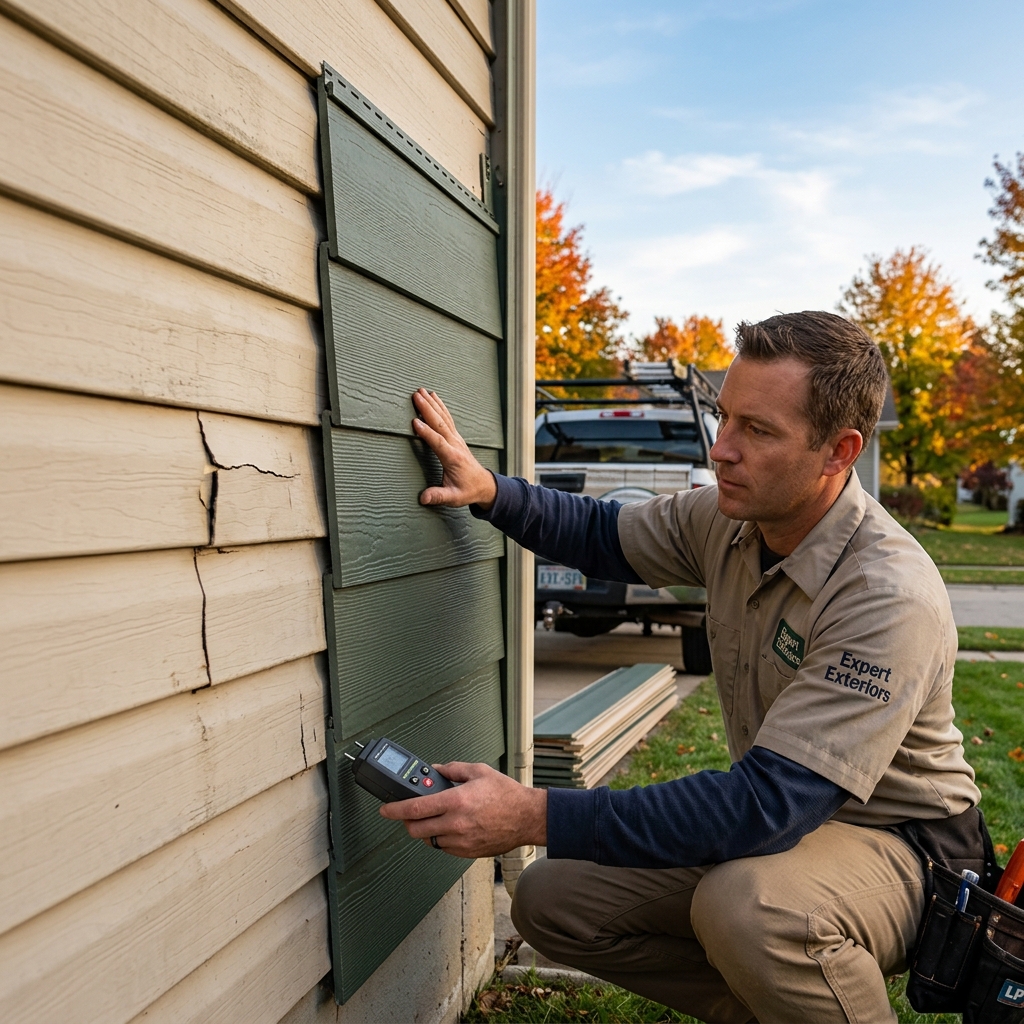
Vinyl vs. LP SmartSide Siding: Expert Comparison for Wisconsin Homeowners
Why Your Siding Choice Matters More Than You Think
Your home’s siding is its first line of defense against Wisconsin’s unpredictable weather. It protects your walls from moisture, wind, and temperature swings that can fluctuate 80 degrees between winter and summer. Beyond protection, siding represents one of the most visible elements of your home, affecting curb appeal and resale value.
The material you choose determines how your home performs for the next 15 to 40 years. A poor choice means frequent repairs, compromised insulation, and potential water damage that spreads into your wall cavities. The right material keeps your property secure while maintaining its appearance with minimal intervention.
We’ve worked on hundreds of homes across Brookfield and the surrounding areas, and we’ve seen firsthand how siding selection impacts long-term homeowner satisfaction. When property owners understand their options upfront, they make decisions that align with their budget, climate, and lifestyle rather than defaulting to the cheapest option available.
Action step: Before making any decision, assess your home’s current condition, your budget for both initial installation and maintenance, and how long you plan to stay in the property.
The Hidden Costs of Choosing the Wrong Siding Material
Most homeowners focus on the price tag when comparing siding options, but that’s only part of the equation. The true cost of siding includes installation, ongoing maintenance, repairs, energy efficiency, and replacement timing.
Consider a scenario: you install budget vinyl siding at $6 per square foot. Within 5 years, UV fading requires repainting ($3,000 to $5,000). At year 8, a winter storm damages multiple panels, and replacement pieces for your discontinued style are unavailable. By year 15, panels are warping in summer heat and cracking in winter cold. Total out-of-pocket costs easily exceed $15,000 by the time you replace it all.
Contrast that with a premium material installed correctly from the start: higher initial investment, minimal maintenance, no premature failures, and the confidence of knowing your home is protected through decades of Wisconsin winters.
We’ve also observed that wrong siding choices impact energy bills. Vinyl can shift and warp, creating gaps that compromise insulation. Moisture can get trapped behind improperly installed vinyl, leading to hidden mold and structural deterioration that costs far more to fix than the siding itself.
Action step: Calculate total cost of ownership, not just installation price. Factor in 10-year maintenance and repair costs for each material option you’re considering.
Vinyl Siding: Understanding Its Limitations in Wisconsin Climates
Vinyl siding remains popular because of its low upfront cost and ease of cleaning. It comes in many colors and profiles, offers decent weather protection, and doesn’t require painting. For these reasons, many homeowners default to vinyl without fully understanding its constraints in our climate.
The problem: vinyl becomes brittle in sub-zero temperatures. Wisconsin winters regularly drop below 20 degrees Fahrenheit, which is exactly when vinyl loses flexibility. Panels crack more easily when you’re replacing gutters or cleaning gutters, when branches fall, or during normal seasonal contraction. Once cracked, water infiltrates behind the siding, and you’re facing repairs that cost $500 to $2,000 per instance.
Vinyl also fades noticeably, especially on south and west-facing walls. The fading accelerates in our climate where UV exposure is intense in summer and intense reflection off snow in winter happens for months. Within 5 to 7 years, your home looks dull and weathered even if the structural integrity remains intact.
Additionally, vinyl doesn’t insulate. If energy efficiency matters to you, vinyl alone contributes nothing to your home’s thermal performance. It relies entirely on whatever insulation sits behind it, and poor installation of the underlayment can negate even that benefit.
Vinyl does handle moisture reasonably well when installed properly, though we’ve seen installers cut corners with flashing and sealing, which causes leaks despite vinyl’s reputation for water resistance.
Action step: If vinyl is your choice, demand that your contractor use thicker-gauge material (.042″ or greater) and ensure complete flashing and sealing around all penetrations, corners, and transitions.
LP SmartSide: The Superior Alternative for Long-Term Protection
LP SmartSide is engineered wood that combines the aesthetic appeal of real wood with the durability improvements that modern manufacturing provides. It consists of wood strands bound with a resin and then coated with a factory-applied acrylic finish.
The advantages for Wisconsin homes are substantial. SmartSide is significantly more rigid than vinyl, so it doesn’t flex or warp in temperature extremes. This rigidity means panels stay flush against your wall, maintaining a weather-tight seal even after decades of freeze-thaw cycles. The engineered composition also resists cracking and splitting better than traditional wood siding.
The factory finish is applied in controlled conditions and includes UV protectants that resist fading far more effectively than vinyl coatings. We’ve seen SmartSide maintain consistent color for 15 to 20+ years with minimal touch-up painting. The finish also breathes better than vinyl, allowing moisture to dissipate rather than trap condensation behind panels.
SmartSide’s engineered core is designed to resist moisture penetration, rot, and insect damage. It includes a 15-year manufacturer’s warranty against rot, fungal decay, and insect damage when properly installed and maintained. For comparison, vinyl carries no such structural warranty because it’s inherently different material composition.
When you choose LP SmartSide installation, you’re investing in a material that performs through Wisconsin’s harshest weather while maintaining the warm, authentic appearance wood siding offers. The material costs more than vinyl, but the performance justifies the investment for property owners who value durability and appearance over time.
Action step: Request samples of LP SmartSide in your preferred color and observe them in different lighting conditions and at various times of day to ensure you’re satisfied with the aesthetic.
Durability and Lifespan: What We’ve Seen in the Field
We’ve replaced siding on homes where the original vinyl was installed in 2008 and needed complete replacement by 2022. We’ve also worked on homes with SmartSide from 1995 still performing well with only touch-up maintenance. The difference in real-world lifespan is stark.
Vinyl typically lasts 15 to 20 years in Wisconsin before widespread failures emerge. The failure pattern we observe usually follows this timeline: years 5 to 8 bring color fading; years 8 to 12 bring occasional cracking and panel warping; years 12 to 20 bring accelerating failures as older panels become increasingly brittle; beyond year 20, replacement is inevitable for most homes.
LP SmartSide in Wisconsin climates typically performs well for 20 to 30+ years when properly maintained. We have several properties in Brookfield where SmartSide installed in the early 2000s shows minimal wear. Touch-up caulking every 5 to 7 years and occasional paint refreshing on south-facing walls keeps these homes looking excellent.
The difference lies in material properties. Vinyl is fundamentally affected by temperature. It expands and contracts significantly with heat and cold, which compounds damage over time. SmartSide’s engineered wood composition has lower thermal expansion and contraction rates, meaning less stress on fasteners, seals, and corners.
We’ve also observed that SmartSide’s superior rigidity prevents the panel sagging and bowing we see in vinyl installations on older homes. Vinyl panels that have bowed create water collection areas and poor drainage, accelerating failure.
Action step: When evaluating durability, ask your contractor to show you existing installations from 10+ years ago so you can observe how materials perform over time in your area.
Cost Comparison: Initial Investment vs. Long-Term Value
Let’s be direct about costs. Vinyl siding typically runs $6 to $10 per square foot installed. SmartSide runs $12 to $18 per square foot installed. For a 2,000-square-foot home exterior, that’s a $12,000 to $20,000 difference in installation cost.
That gap closes significantly when you account for the full ownership timeline. Vinyl requires repainting or color correction within 7 to 10 years if you want it to look maintained ($3,000 to $5,000). It requires replacement of cracked or warped panels throughout its life ($500 to $2,000 per incident, and incidents happen multiple times). By year 15, you’re replacing all of it.
SmartSide’s initial cost is higher, but maintenance costs are lower. The factory finish holds color, eliminating repainting for many property owners. Panels don’t crack or warp, eliminating mid-life replacement costs. You extend the useful life to 25 to 30+ years, delaying the next major exterior investment by a full decade.
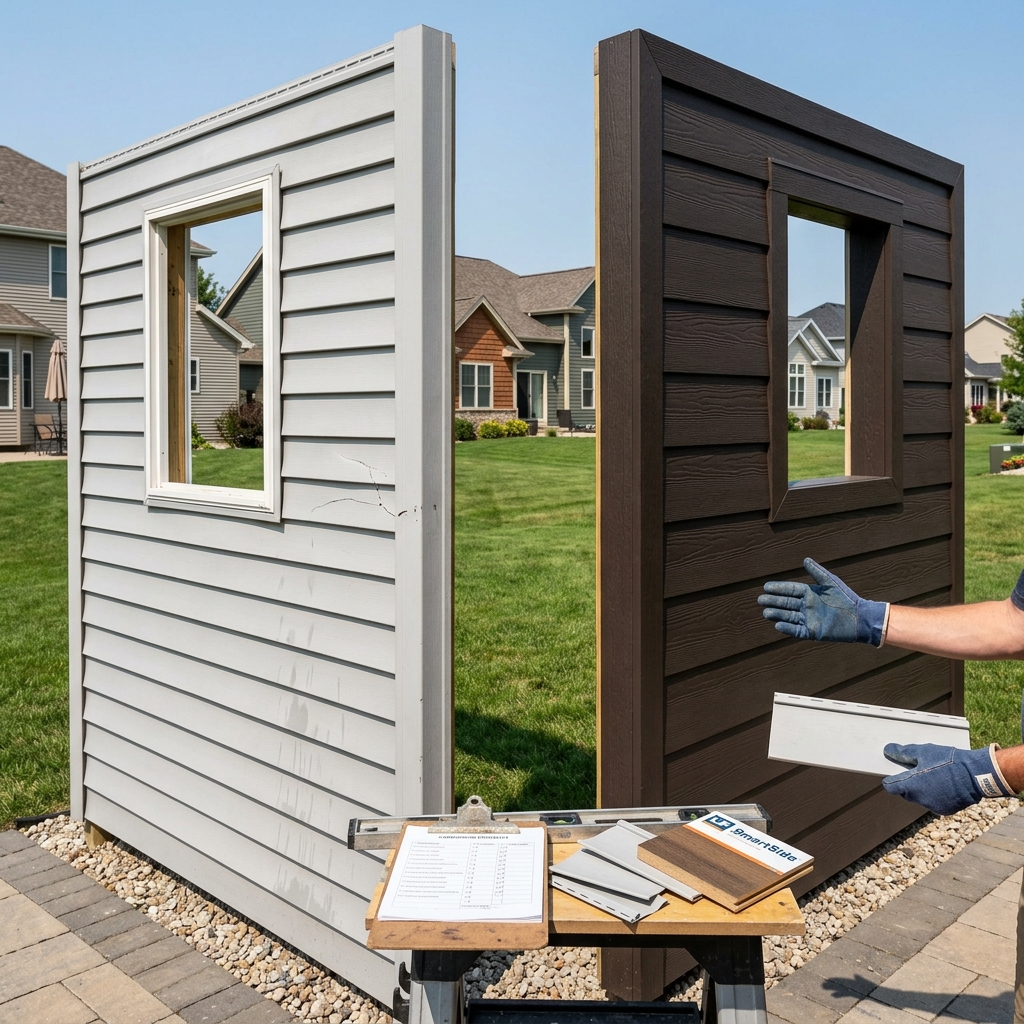
From a resale perspective, SmartSide adds perceived value. Buyers recognize engineered wood as a premium material and see it as requiring less future maintenance. Vinyl, while acceptable, signals that a replacement is coming relatively soon, which affects appraisals and buyer confidence.
If you’re financing your siding replacement, spread the SmartSide cost over your loan term. The slightly higher monthly payment becomes negligible when weighed against years of fewer repairs and the ability to stay in your home longer before major exterior replacement.
Action step: Request itemized quotes from your contractor that break down material costs, labor, and estimated maintenance costs over 20 years for both vinyl and SmartSide. The comparison usually favors SmartSide by year 15.
Installation and Maintenance: What Property Owners Need to Know
The quality of installation determines whether your siding performs as designed. We see too many installations where corners are cut on flashing, sealing, and underlayment.
Proper vinyl installation requires complete underlayment, correct fastening (not overtightened, which prevents natural expansion), proper flashing at all transitions, and sealed joints. Many installers skip the underlayment to save cost, which means moisture can get behind the vinyl. We’re often called to investigate mold or soft spots on homes with vinyl siding that’s only 5 years old, and poor installation is usually the culprit.
LP SmartSide installation is more technical. Fasteners must account for the material’s expansion and contraction. Joints must be properly flashed and caulked. Exposed end grain must be sealed or covered. Corners must overlap correctly. This complexity means you need an experienced installer who understands wood-based materials. We invest extra time during SmartSide installations to ensure every detail is correct because we stand behind the work with a 15-year workmanship warranty.
Maintenance expectations differ. Vinyl needs occasional cleaning and inspection for loose fasteners or damage. No painting is required unless you want a color change. SmartSide needs visual inspections annually and caulk maintenance every 5 to 7 years. Touch-up painting may be desired around year 15 to 20 to refresh appearance, though it’s not required structurally.
Both materials benefit from gutter maintenance (keeping debris out) and ensuring drainage away from the foundation. Blocked gutters cause water to cascade behind siding, creating moisture problems for both vinyl and SmartSide.
Action step: Schedule annual exterior inspections focused on caulk integrity, flashing condition, and moisture signs. Catching small issues prevents expensive water damage.
Why We Recommend LP SmartSide for Most Wisconsin Properties
After years of installing both materials, our default recommendation is LP SmartSide for Wisconsin homes, especially for property owners who plan to stay in their homes 10+ years.
The reasoning comes from direct experience. We see fewer callbacks, warranty claims, and post-installation problems with SmartSide. We see greater homeowner satisfaction because the material looks better, performs better, and requires less intervention. We see homes maintain their appearance and structural integrity for 25+ years without major issues.
Vinyl has its place: if you’re a buy-and-flip investor who needs the lowest possible installation cost, if you’re renting out a property and minimizing capital expense, or if your budget genuinely cannot accommodate the SmartSide premium. But for homeowners living in their properties, SmartSide’s superior performance, longevity, and appearance justify the investment.
Wisconsin’s climate is hard on exterior materials. Our freeze-thaw cycles, UV intensity, and moisture patterns demand materials built for these extremes. SmartSide’s engineered composition is specifically designed for these conditions. It’s not the cheapest option, but it’s the most reliable option we’ve installed across hundreds of Brookfield-area homes.
Action step: If you’re committed to vinyl for budget reasons, at least invest in thicker-gauge, premium vinyl and demand professional installation with complete underlayment and flashing. The upgrade cost is modest but dramatically improves performance.
How to Evaluate Your Home’s Specific Siding Needs
Every home has unique factors that influence the ideal siding choice. Consider these evaluation points:
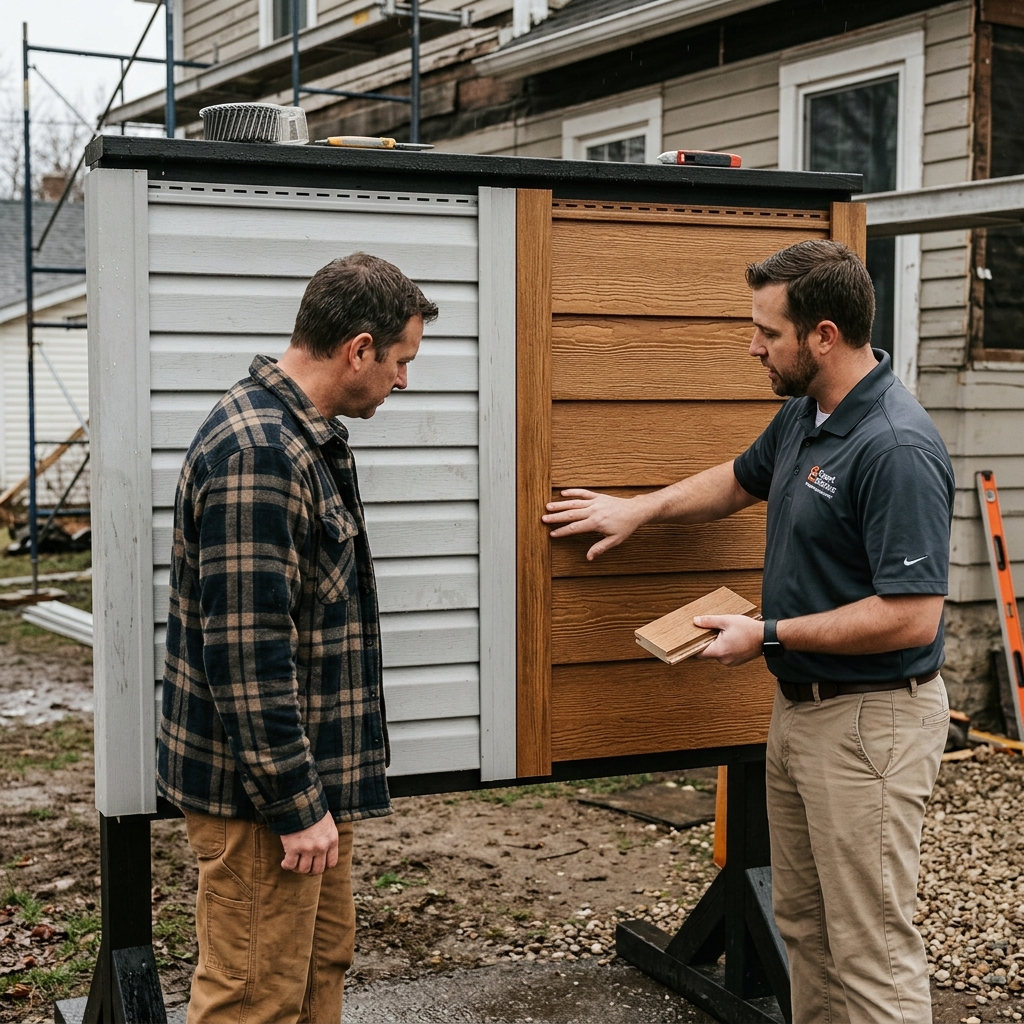
Your home’s age and existing structure matter. Older homes often have settling or uneven wall planes. SmartSide’s rigidity handles these imperfections better than vinyl. Newer homes with straight framing work well with either material.
Orientation and sun exposure affect performance. South and west-facing walls receive intense UV. SmartSide’s superior fade resistance becomes more valuable. North-facing walls see less UV stress, making vinyl more adequate.
Your home’s insulation status influences energy considerations. If your existing insulation is poor, neither siding choice will fully compensate, but SmartSide combined with quality underlayment provides marginally better thermal performance.
Local architectural style matters. If your neighborhood features primarily modern homes with varied materials, either siding works. If you’re in a more traditional area, SmartSide’s wood appearance fits better with the streetscape and may preserve resale value better.
Your timeline and budget constraints are practical factors. If you need siding installed in six weeks and budget is $10,000, vinyl might be your reality. If you have flexibility and budget room, SmartSide opens better possibilities.
The condition of your current siding removal is worth considering. If you’re removing existing siding and find rot or moisture damage in the sheathing, water infiltration was a factor. SmartSide’s superior moisture resistance becomes more valuable for replacement in these scenarios.
Action step: Walk your home’s exterior with a contractor and discuss these specific factors. A good contractor tailors recommendations to your situation rather than pushing one material for everyone.
Getting Started with Your Siding Replacement Project
Once you’ve decided between vinyl and SmartSide, the next steps are straightforward.
First, get multiple detailed quotes from experienced contractors. We recommend getting at least three quotes because pricing and scope vary. Ensure quotes specify material brand, gauge or thickness, color, underlayment, flashing details, and labor timeline. Vague quotes from contractors who seem eager to get you to sign are red flags.
Ask about warranties. We provide 15-year workmanship warranties on siding replacement because we stand behind our installations. Any contractor offering less than 5 years should be questioned about their confidence level.
Request references from recent siding installations, not just ones from years ago. Call those references and ask about real-world maintenance, color hold-up, and whether they’d hire the same contractor again.
Check contractor licensing and insurance. In Wisconsin, ask to verify their license status with the Wisconsin Department of Safety and Professional Services. Require proof of liability and workers’ compensation insurance. Never hire cash-only contractors who claim they can undercut licensed competitors.
Plan your timeline realistically. Quality siding installation takes longer than rushed installation. Weather delays are normal in Wisconsin. A contractor who guarantees completion in one week is cutting corners.
Visit our projects to see examples of our work. We document our siding installations to show the quality of workmanship and final results.
Once you’ve selected your contractor, expect a site visit to measure your home, assess current conditions, and identify any problem areas like soft spots or hidden damage. Honest contractors find these issues and discuss solutions upfront rather than discovering them mid-project.
Action step: Contact us at Expert Exteriors for a free consultation. We’ll assess your home’s specific needs, explain the pros and cons of vinyl versus SmartSide for your situation, and provide a detailed quote with no pressure. You’ll have the information needed to make the right choice for your property.
Your siding choice impacts your home’s protection, appearance, and value for decades. Taking time to understand your options and work with experienced professionals ensures you invest in a solution that performs and satisfies for years to come.