
Top Commercial Roofing Options for Midwest Weather: Our Expert Recommendations
Why Midwest Weather Demands Superior Commercial Roofing
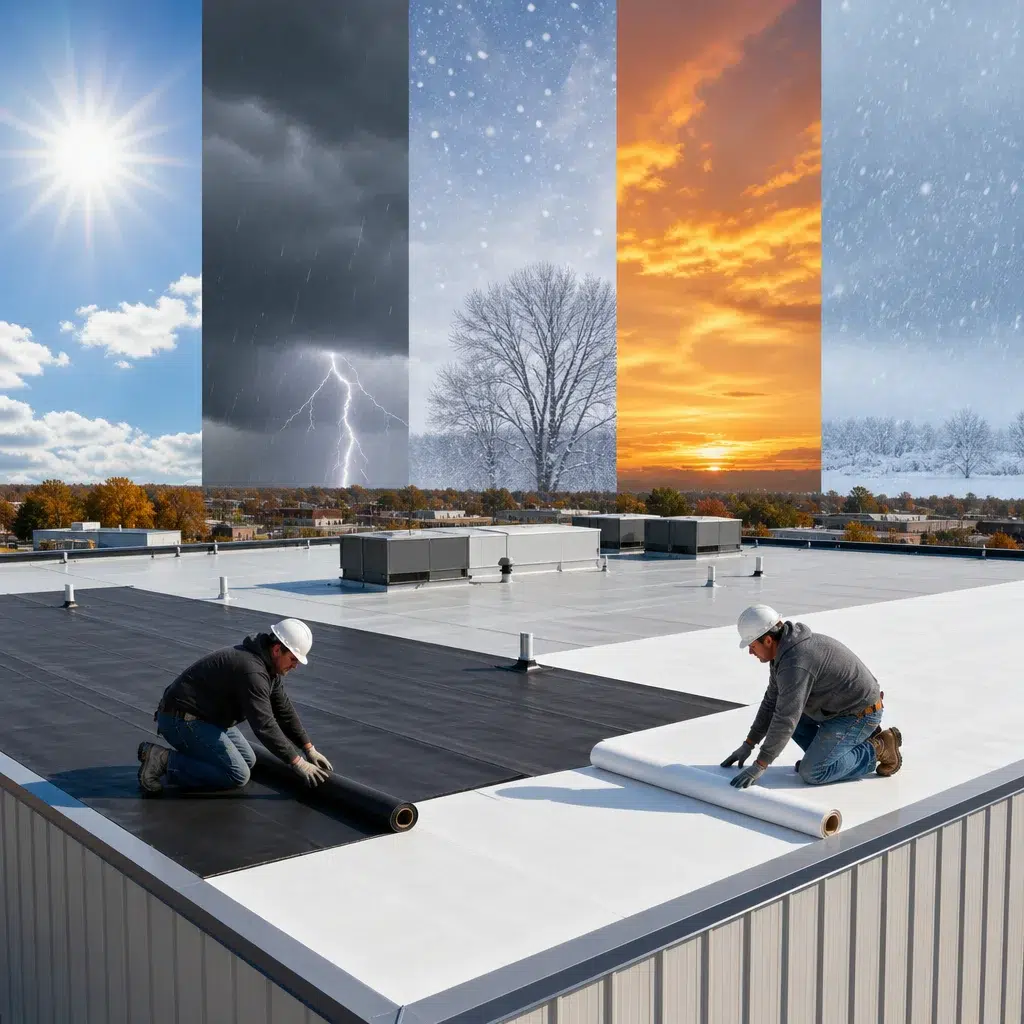
The Midwest presents one of the harshest roofing environments in North America. Your commercial property faces temperature swings that can exceed 100 degrees Fahrenheit seasonally, intense UV radiation during summer months, heavy snow and ice loads in winter, and wind speeds that test every fastener and seam. Unlike mild climates where a basic roof system might suffice, our region demands materials engineered specifically for this abuse.
Most standard roofing systems fail prematurely in the Midwest because they cannot handle the thermal stress. A roof material that expands and contracts constantly will eventually crack, curl, or separate from the underlying structure. Water infiltration follows, leading to structural damage, mold, and expensive interior repairs that dwarf the original roofing investment.
We’ve worked with hundreds of commercial property owners across Brookfield and surrounding areas who learned this lesson the hard way. They chose the cheapest option, only to face emergency repairs within five to ten years. The right commercial roofing system for Midwest weather isn’t just about covering your building; it’s about protecting years of business continuity and asset value.
What you should do: Before making any roofing decision, confirm that the system you’re considering has been tested and proven in Midwest conditions, not just in milder climates.
The Challenge: Protecting Your Business Investment
Your commercial property is often your largest asset. Whether you operate a warehouse, retail space, office building, or manufacturing facility, a roof failure disrupts operations, damages inventory, and can trigger expensive business interruption losses. The cost of a reactive emergency repair is typically three to five times higher than a planned replacement.
Most property owners underestimate the true risk. They see the roof as a “set it and forget it” component, unaware that a single severe weather event can compromise a weakened roof system. Ice dams backing water under roofing materials, hail piercing single-ply membranes, or high winds peeling up sections create cascading damage that spreads quickly.
The stakes are even higher for commercial buildings because downtime has real financial consequences. A restaurant can lose thousands per day of closure. A warehouse experiencing water damage may lose climate control for sensitive goods. A manufacturing facility may face production halts that impact customer commitments. These aren’t hypothetical scenarios; we’ve helped dozens of Midwest businesses recover from exactly these situations.
Selecting a durable commercial roofing system is an investment in business resilience, not just property maintenance. It’s the difference between experiencing a weather event and merely weathering it.
What you should do: Calculate the true cost of downtime for your business, not just material replacement costs, when evaluating roofing options.
EPDM Roofing: Our First Recommendation for Midwest Durability
Ethylene Propylene Diene Monomer (EPDM) has been our go-to recommendation for Midwest commercial properties for nearly two decades. This synthetic rubber material remains flexible even in subzero temperatures, which is critical when winter cold snaps hit the region. Unlike brittle materials that crack under thermal stress, EPDM maintains its elasticity year-round.
The material offers proven longevity in harsh climates. A properly installed EPDM roof system routinely delivers 25 to 30 years of reliable performance, with many systems we installed in the early 2000s still performing today. The single-ply membrane is inherently simple: fewer components mean fewer potential failure points.
EPDM excels in snow load handling because its synthetic rubber doesn’t degrade under the weight and freeze-thaw cycles that plague other materials. When snow melts and refreezes repeatedly throughout a Midwest winter, EPDM seams remain intact and watertight. The material’s superior cold flexibility prevents the micro-fractures that develop in stiffer roofing systems during temperature cycling.
Installation and repair are straightforward with EPDM. When maintenance is needed, field crews can patch sections quickly using simple adhesive or mechanical fasteners. This means less expensive service calls and minimal business disruption during repairs. A technician can address a small puncture or seam issue in hours rather than days.
The material cost is also predictable and competitive. EPDM doesn’t command premium pricing like some newer systems, making it accessible for property owners with tight capital budgets while still delivering premium durability.
What you should do: Ask your roofing contractor for references from EPDM installations in your area that are 15+ years old. You’ll get real-world performance data specific to Midwest conditions.
TPO Roofing: Modern Performance in Extreme Conditions
Thermoplastic Polyolefin (TPO) represents the newer generation of commercial roofing technology. This material combines the flexibility benefits of single-ply membranes with enhanced UV resistance and chemical stability. TPO has gained significant market share over the past 15 years because it addresses some specific performance gaps that older materials couldn’t match.
TPO’s energy efficiency properties make it particularly valuable for Midwest buildings where cooling costs spike during summer months. The material’s reflective surface bounces solar radiation away from the building rather than absorbing it, reducing cooling loads and lowering utility bills. For a large commercial property, this energy benefit can recoup a meaningful portion of the system’s cost over 10-15 years.
The material flexibility remains excellent in cold conditions, though not quite at EPDM’s level. TPO handles Midwest winters effectively but with slightly less margin for extreme temperature swings. The seams are thermally welded during installation, creating bonds that are as strong as the base membrane itself. This approach differs from EPDM, where seams rely on adhesives that can degrade over decades.
TPO’s performance in UV exposure is superior to EPDM for properties in high-altitude or high-sun areas. The material resists oxidation and color fading better, maintaining visual appearance and protective qualities longer. For commercial properties where roof aesthetics matter to tenants or customers, this advantage is meaningful.
We’ve deployed TPO systems successfully across the region, particularly for buildings where energy efficiency is a priority or where the architecture benefits from the material’s wider color options. Modern TPO formulations have proven durable through multiple Midwest winters, though long-term track records are shorter than EPDM since the technology is relatively recent.
What you should do: Calculate potential energy savings from a TPO system by comparing your building’s summer cooling costs to industry benchmarks for reflective roofing. The numbers often justify the material choice.
Comparing EPDM vs. TPO: Which System Wins
The question isn’t which system is universally superior; it’s which system is right for your specific building. Both materials deliver solid performance in Midwest weather, but they excel under different circumstances.
EPDM wins on absolute cold weather performance and long-term proven durability. If your building is in an area prone to extreme temperature swings or you prioritize the longest possible system lifespan, EPDM’s track record is unmatched. The material has weathered multiple decades of Midwest winters without significant degradation. Repair costs are also lower because the material is simpler and field repairs are faster.
TPO wins on energy efficiency and initial installation speed. If reducing cooling costs is a priority or your building has high solar exposure, TPO’s reflective properties deliver measurable utility savings. Installation crews can complete TPO systems faster because thermal welding is quicker than adhesive application, potentially minimizing business disruption during replacement.
For detailed side-by-side analysis specific to commercial roofing systems in your climate, we’ve prepared comprehensive resources comparing TPO vs EPDM roofing and EPDM vs TPO system selection to help you understand the tradeoffs for your property type.
Price-wise, EPDM typically costs slightly less to purchase and install, while TPO may be slightly higher upfront but deliver utility cost reductions. Over a 25-year lifespan, the difference often narrows significantly, making the decision less about total cost and more about which performance characteristics align with your building’s specific needs.
What you should do: List your top three priorities (longevity, energy savings, repair cost, installation speed, aesthetic options) and match them to the system strengths we’ve outlined. This exercise clarifies which material fits your actual needs.
How We Assess Your Specific Roof Needs
One-size-fits-all roofing recommendations often fail because they ignore the unique characteristics of your building. We begin every commercial roofing project with a thorough assessment that goes beyond typical inspections.
We evaluate your building’s exposure patterns. Does the roof face heavy sun exposure, or is it partially shaded? High-sun exposure favors TPO’s superior UV resistance. We examine wind exposure and local wind speed history. Buildings in high-wind zones may benefit from EPDM’s proven track record rather than newer systems with shorter regional data. We assess your building’s thermal characteristics. Poor insulation or high HVAC demand might make TPO’s energy efficiency the smarter choice financially.
We inspect structural condition and capacity. A roof system is only as good as the substrate it’s installed on. Deteriorated decking, inadequate drainage, or structural issues require remediation before any new system will perform properly. We identify these problems early so they don’t become expensive surprises mid-project.
We review your building’s operational constraints. Some businesses can’t tolerate downtime. For these properties, we schedule faster TPO installation or stagger EPDM installation to maintain roof coverage during replacement. Other buildings have more flexible timelines, allowing us to optimize for the best long-term system choice rather than fastest completion.
We discuss your budget realities and financial timeline. A commercial property owner might plan to sell in seven years or operate the building long-term. That timeline fundamentally changes which roofing system makes financial sense. We help align material selection with your actual holding period.
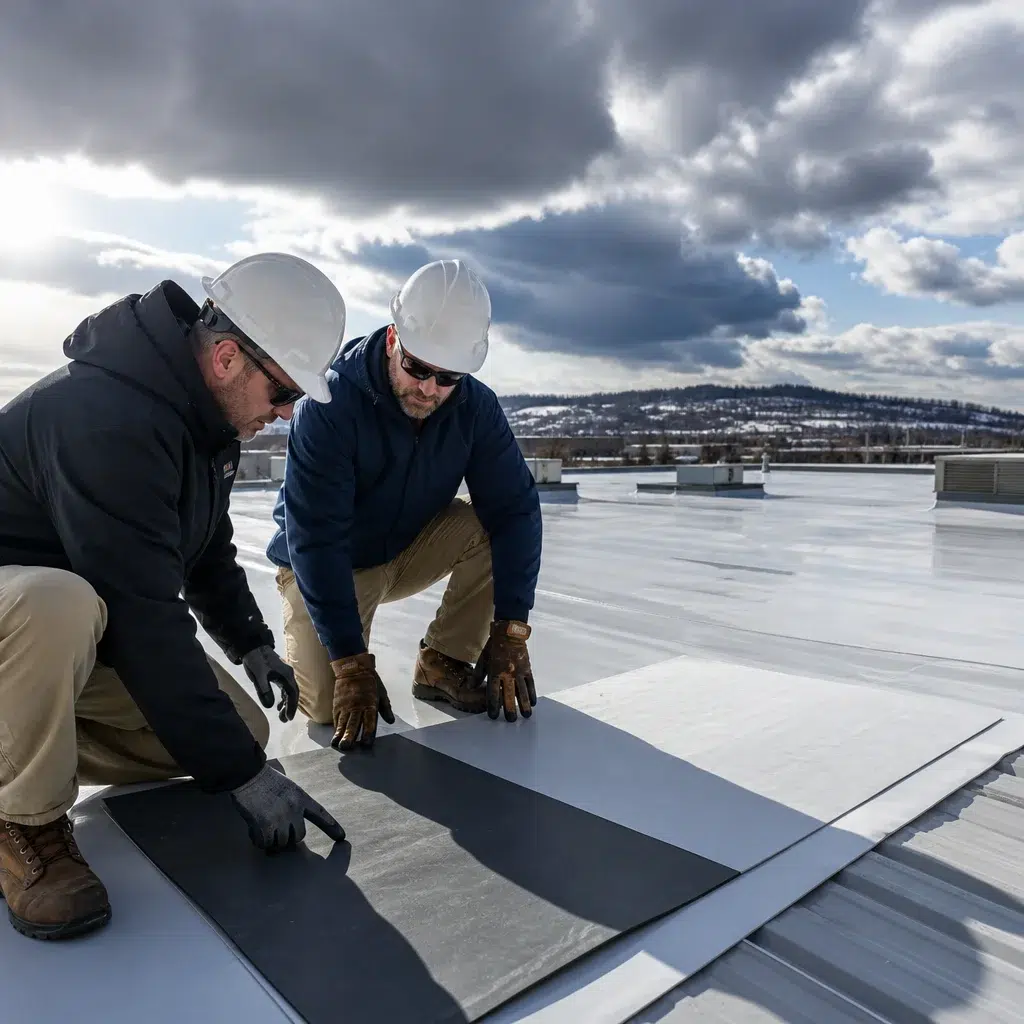
What you should do: Before meeting with any roofing contractor, document your building’s operational requirements, financial timeline, and performance priorities. This information drives the right technical recommendation rather than the cheapest option.
Installation Excellence: Why Craftsmanship Matters
A premium roofing material installed poorly will underperform a standard material installed correctly. We’ve seen this countless times when taking over failed systems from other contractors. The technical specifications don’t matter if installation quality is compromised.
EPDM installation requires meticulous seam preparation and adhesive application. Seams are the critical failure point for most EPDM systems. Rushing adhesive curing or skipping proper surface prep creates weak bonds that eventually separate, allowing water infiltration. We cure seams for the full manufacturer-recommended timeframe regardless of weather, never cutting corners to accelerate project completion.
TPO installation demands proper thermal welding technique. Seams must be heated to precise temperatures and welded with consistent pressure to create bonds that rival the base membrane’s strength. Inconsistent welding creates weak spots that fail under thermal cycling. Our crews train extensively on proper thermal welding equipment operation and regularly verify weld quality using approved testing methods.
Both systems require proper flashing installation around penetrations, edges, and transitions. A single improperly flashed vent or skylight creates a water entry point that eventually compromises the entire system. We use industry-leading flashing materials and techniques that create redundant water barriers around every penetration.
Ventilation and drainage are often overlooked. Improper roof drainage leaves standing water that loads structural components and accelerates material degradation. We design and install drainage systems that move water efficiently off the roof, preventing pooling that invites leaks.
Our installation crews are trained, certified, and held to consistent standards across every project. We photograph installation stages for documentation and quality verification. This commitment to craftsmanship is why our commercial roofing systems routinely exceed expected lifespan.
What you should do: Ask any roofing contractor for their installation process documentation and crew certification details. Contractors committed to quality will provide this without hesitation.
The Expert Exteriors Advantage in Commercial Roofing
We bring specific advantages to commercial roofing that matter for Midwest property owners. Our team works exclusively in the Brookfield area and surrounding regions, meaning we understand local weather patterns, building construction styles, and seasonal risks that generic contractors miss.
We maintain relationships with leading material manufacturers, allowing us to source premium products and negotiate favorable pricing that we pass to our customers. Our volume purchasing and preferred contractor status means we access better materials and extended warranties than one-off installations receive.
Our crews specialize in commercial installations, not primarily residential work. Commercial roofing involves different technical demands, equipment, and project management than residential work. Crews that bounce between residential and commercial projects often lack the deep expertise that commercial systems require. Our focus on commercial work means every crew member brings years of experience to every project.
We carry comprehensive liability insurance and bonding that protects your property during installation. We maintain detailed documentation of materials and installation methods for warranty and future service purposes. We provide multi-year maintenance programs that catch minor issues before they become expensive problems.
Our local presence means emergency service is available when weather events occur. We’re not a national franchise with support lines in distant call centers. When a storm damages your roof, you reach local decision-makers who know your property and can mobilize crews quickly.
We’ve built our reputation on long-term customer relationships, not one-time transactions. Many of our commercial roofing customers have used us for multiple properties or called us back years later for maintenance and repairs. This repeat business reflects the trust we’ve earned through reliable, quality work.
What you should do: Ask any commercial roofing contractor for local references from customers they served 10+ years ago. This reveals whether they maintain customer relationships or chase new customers constantly.
Cost-Benefit Analysis: Long-Term Protection
The lowest initial cost for a commercial roof replacement often costs the most over time. A $50,000 system installed with compromised quality might require $35,000 in emergency repairs within seven years, totaling $85,000. A $60,000 system installed with excellence might deliver 25 years of reliable service with minimal maintenance, totaling $65,000 or less including minor repairs.
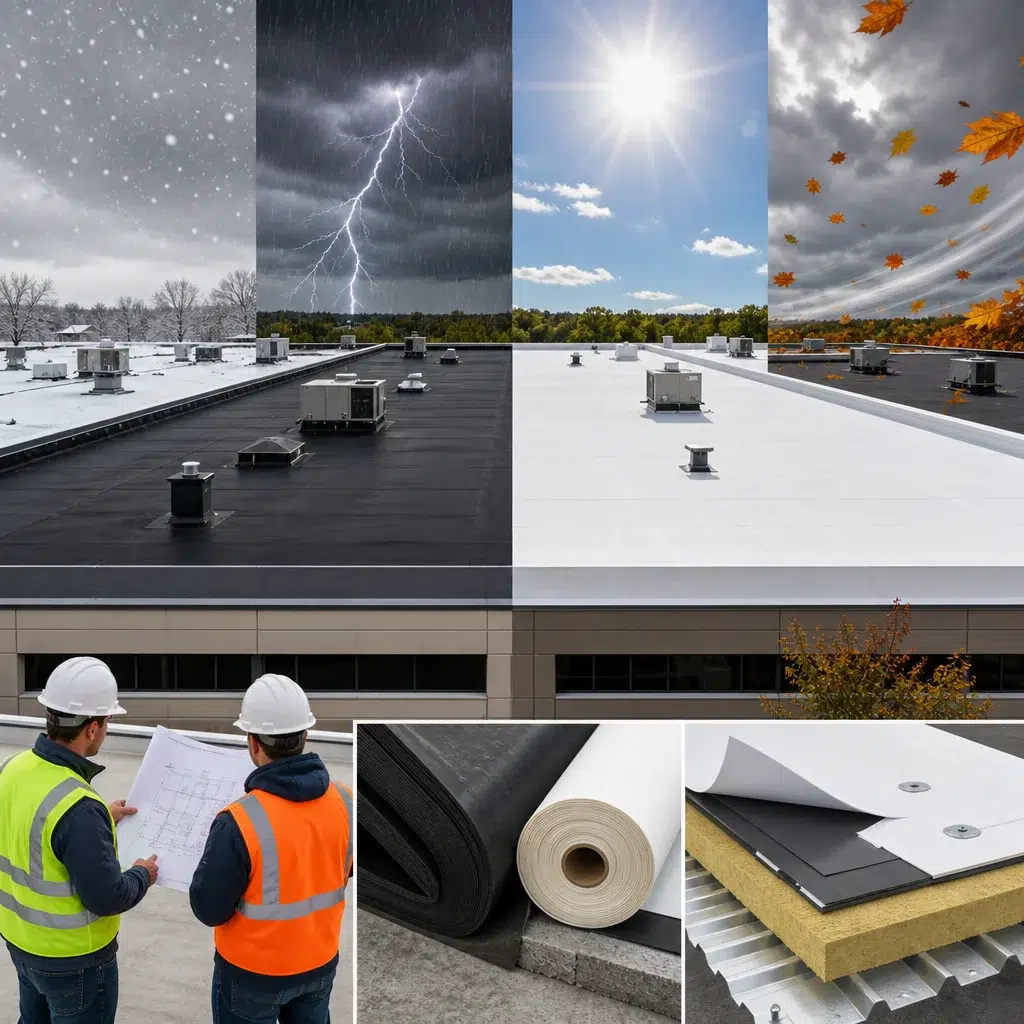
Material choice affects this calculation significantly. EPDM’s lower initial cost plus lower lifetime repair expenses often wins on total cost of ownership for buildings with 20+ year hold periods. TPO’s higher initial cost is offset by energy savings and warranty benefits for buildings prioritizing near-term utility reduction or expecting to sell within 10 years.
Extended warranties are a meaningful financial component that many property owners overlook. Premium installation and materials often come with 20-year or longer warranties covering defects and material degradation. A cheaper system might have only a 10-year warranty or exclude critical failure modes. That warranty difference is essentially uninsured risk if problems develop during years 11-15.
Business interruption cost is the hidden factor that often outweighs material savings. A commercial roof failure during your busy season doesn’t just cost replacement materials; it costs lost revenue, customer relationship damage, and operational chaos. A premium roofing system is insurance against this risk, and insurance costs money.
We’ve seen commercial property owners save $20,000 to $40,000 in avoided repairs and downtime costs by choosing the right system and installation quality rather than the cheapest option. They didn’t spend more; they invested more strategically and recouped the difference through reduced future problems.
What you should do: Build a financial model comparing total cost of ownership over your expected building hold period, including material costs, installation, maintenance, energy, and estimated repair expenses. This reveals which system is truly most affordable.
Why We Recommend Our Commercial Roofing Solutions
We recommend EPDM and TPO systems because we’ve tested them through two decades of Midwest winters and can demonstrate proven performance. We don’t recommend systems based on manufacturer promises or theoretical specifications; we recommend based on real buildings we’ve installed and maintained through harsh weather cycles.
Our EPDM recommendation comes from installations we’ve serviced for 20+ years that still deliver excellent performance. We know precisely how this material behaves in our climate and understand which installation techniques ensure longevity. We’re not speculating; we’re drawing on extensive regional experience.
Our TPO recommendation for specific applications comes from newer but already-proven installations that have weathered multiple Midwest winters successfully. We understand the specific conditions where TPO’s advantages deliver the strongest ROI for our customers. We recommend TPO where energy efficiency or installation speed genuinely serves the customer’s needs, not where cheaper alternatives would actually perform better.
We don’t view commercial roofing as a commodity where price shopping makes sense. A commercial roof is a critical infrastructure decision that affects business operations, asset value, and financial risk. Choosing based purely on lowest bid is like choosing a business bank based solely on interest rates while ignoring financial stability and service quality.
We commit to your long-term satisfaction, not just project completion. Our maintenance programs catch minor issues before they become expensive problems. Our warranty coverage protects you against material defects. Our local availability means when weather events occur, we’re positioned to respond quickly.
Most importantly, we stand behind every commercial roofing installation with genuine accountability. If problems develop, we fix them. We’re not disappearing to chase the next project. Our reputation depends on your roofing system performing reliably for years after installation, and that accountability is worth far more than any material cost savings.
What you should do: Choose your commercial roofing contractor based on proven regional experience, installation quality standards, and warranty commitment, not lowest bid. The contractor who’s still in the area maintaining systems from 15 years ago is far more trustworthy than the cheapest quote.
Getting Started with Your Roof Replacement Project
The best time to begin a commercial roof replacement is well before your current system fails. Emergency replacements during active leaks or weather damage force rushed decisions and limit your options. Planned replacements allow proper assessment, material selection, and scheduling that minimizes business disruption.
Start by contacting us to schedule a commercial roof assessment. We’ll examine your current system’s condition, evaluate your building’s specific needs, and provide honest guidance on whether repair is viable or replacement is necessary. This assessment is how we determine whether EPDM, TPO, or another system is optimal for your situation.
We’ll prepare a detailed proposal outlining material specifications, installation timeline, warranty coverage, and total project cost. No surprises or change orders that ambush your budget mid-project. You’ll understand exactly what you’re getting, how long it will take, and what it will cost.
We’ll schedule installation to minimize your operational disruption. For some properties, that means winter installation when business demand is lower. For others, we stage the work to maintain partial roof coverage throughout replacement. We coordinate closely with your operations team to align roofing work with your business realities.
To discuss your specific commercial roofing needs and explore whether commercial roof replacement is the right choice for your property, reach out to our team today. We serve commercial properties throughout Brookfield and surrounding Midwest areas with roofing systems engineered for local weather conditions and installed with uncompromising craftsmanship.
What you should do: Reach out for a free assessment before your roof reaches failure stage. Early planning delivers better options, lower costs, and reduced business risk compared to emergency repairs after damage occurs.