

Premium Asphalt Shingle Materials: Choosing the Best Brand for Your Roof
Why Shingle Quality Matters More Than You Think
Premium Asphalt Shingle Materials: Choosing the Best Asphalt Shingle Brands for Your Roof
Your roof is your home’s first line of defense against Wisconsin’s unpredictable weather. When we help property owners choose roofing materials, the conversation often starts with price, but it should start with protection. The shingles you select directly impact how long your roof lasts, how much energy you waste, and whether you’ll face expensive repairs down the line.
Premium asphalt shingles aren’t just thicker versions of budget options. They contain better-quality asphalt, more robust fiberglass mats, and superior adhesives that hold up through freeze-thaw cycles that plague our region. A quality shingle resists curling, cracking, and granule loss far better than economy alternatives. We’ve seen the difference firsthand: homes roofed with premium materials five years ago still look pristine, while nearby properties with budget shingles already show visible wear.
The best asphalt shingle brands invest in manufacturing consistency and durability testing. They’re engineered to perform in real-world conditions, not just laboratory settings. When you prioritize shingle quality, you’re essentially buying years of protection and peace of mind.
What to do next: Before settling on any shingle brand, identify what you need your roof to protect against. Heavy snow load? Wind exposure? Frequent temperature swings? Your specific challenges should guide your material selection.
The Real Cost of Cutting Corners on Roofing Materials
Budget shingles might seem smart in year one, but the math changes quickly once repairs start. We’ve documented numerous cases where property owners saved $2,000 upfront on cheaper materials, only to spend $5,000 on repairs within seven years. Damaged or failing shingles lead to water infiltration, which affects attic ventilation, insulation integrity, and eventually structural components.
Low-grade shingles fail in predictable ways. Granules shed within the first few years, exposing the asphalt beneath to UV damage. Wind lifts edges and corners more easily because the adhesive isn’t formulated to last. Ice dams form more frequently because inferior shingles don’t maintain their surface tension. Each problem compounds, requiring patching and partial replacements that contractors typically charge premium prices for.
Beyond repair costs, a failing roof tanks your home’s resale value. Buyers and inspectors spot poor shingle condition immediately. You might recoup only 60-70% of your roofing investment with budget materials, versus 80-90% with premium options. Factor in the headache of managing multiple repair calls and dealing with potential insurance disputes over weather damage, and the savings evaporate entirely.
Premium materials carry better warranties too. That protection matters when you need to file a claim after a hail event or severe windstorm. Budget shingles often come with limited coverage, making claims harder to pursue.
Actionable insight: Calculate your true cost of ownership across 20-30 years, not just initial expense. Include likely repair costs, energy inefficiency, and potential resale impact. Premium shingles almost always win financially.
Understanding Asphalt Shingle Grades and Classifications
The roofing industry uses specific classifications to help you compare apples to apples. Fiberglass-reinforced shingles dominate residential markets in Wisconsin because they resist moisture better than organic alternatives. Three-tab shingles represent the baseline, offering basic protection at lower cost. Architectural (or laminated) shingles add a second layer, creating depth and improved wind resistance.
Premium grades go further. Many top manufacturers now offer impact-resistant shingles that withstand hail damage better than standard options. These use specialized granules and tougher fiberglass mats. You’ll often see certifications like UL 2218 (Class 4 impact rating) or Class A fire ratings, which indicate real-world tested performance standards.
Some manufacturers also produce “cool roof” or energy-efficient shingles that reflect more solar heat, reducing cooling costs in summer. This matters less in Wisconsin than warmer climates, but the technology indicates overall manufacturing sophistication.
When comparing grades, look at the warranty period, granule depth, and third-party testing certifications. A 30-year warranty isn’t automatic. Budget shingles might come with 15 or 20-year coverage. Premium options typically guarantee 25-30 years, with some even offering 50-year limited coverage.
Next step: Request specification sheets from any shingle brand you’re considering. Compare warranty terms, impact ratings, and fire classifications directly. Don’t rely on salesperson descriptions alone.
Top-Performing Shingle Brands We Recommend for Residential Roofs
We work with manufacturers that consistently deliver on their promises. GAF Timberline HD stands out for architectural shingles that combine excellent aesthetics with proven durability across Wisconsin winters. Their dual-layer design resists wind better than 3-tab alternatives, and the color selection feels modern without going trendy.
Owens Corning Duration is another dependable choice. Their shingles hold granules exceptionally well and perform reliably in our freeze-thaw climate. The company’s long history in roofing means they’ve refined their formulations over decades.
Malarkey Shingles, made in Colorado, produces what we consider premium-tier products. Their solar-reflective technology and impact resistance make them worth the investment if your budget allows. They often outperform in independent durability testing.
IKO and CertainTeed also rank highly for consistent quality and fair pricing. IKO shingles perform well in cold climates specifically, and CertainTeed offers good customization options for commercial properties.
We avoid recommending unknown brands or imported shingles with limited domestic support. If a manufacturer doesn’t have U.S. warranty coverage or easily accessible replacement parts, you’ll face complications down the road. When we spec materials for our projects, we stick with brands we can stand behind and service confidently for decades.
Your action: Get samples from multiple brands and compare them side by side in natural light. Quality differences in granule texture and fiberglass layer thickness become obvious when you handle them directly.
Architectural vs 3-Tab Shingles: Which Protects Your Investment Better
Three-tab shingles are single-layer products that look flat and uniform. They’re adequate for basic protection and typically cost 20-30% less than architectural alternatives. If budget is your only consideration and your home isn’t in a wind-prone area, 3-tab shingles can work for a decade or more.
Architectural shingles use two bonded layers, creating visual depth and shadow lines that look more upscale. More importantly, the dual-layer design adds structural integrity. Wind uplift testing shows architectural shingles consistently resist higher wind speeds before lifting. Many can handle 130+ mph winds, while 3-tab products max out around 60-80 mph in standard testing.
In Wisconsin, where spring storms and occasional derechos bring gusts exceeding 60 mph, architectural shingles provide meaningful safety and durability advantages. We’ve inspected roofs after significant wind events and consistently seen 3-tab shingles sustaining damage while architectural shingles on nearby properties remained intact.
The aesthetic difference matters too. Architectural shingles create curb appeal and contribute to your home’s perceived quality. If you ever sell, that visual impact influences buyer perception and appraisal value.
Our recommendation: unless budget is absolutely constrained, invest in architectural shingles. The cost difference amortizes to just a few dollars monthly over a 25-year roof life, while the protection and appearance benefits are immediate and ongoing.
What to do: Request a side-by-side comparison from your contractor. Walk your roof line and honestly assess wind exposure and weather patterns your property faces. This determines whether upgrading to architectural is necessary or smart investment.
Wind and Impact Ratings: What Actually Protects Your Home
Wind ratings matter far more than most homeowners realize. Products certified to withstand 110+ mph winds perform differently in reality than those rated for 60 mph. The difference comes down to adhesive technology, granule bonding, and fiberglass mat construction.
Impact resistance ratings follow UL 2218 standards. Class 1 is basic (hail resistance), Class 4 is excellent. A Class 4 rating means the shingle survived repeated impacts from a 2-inch steel ball dropped from 20 feet without cracking or tearing. That translates to real-world hail protection during severe storms. Class 4 shingles often cost 10-15% more than standard options, but insurance companies sometimes offer discounts that offset the premium.
These ratings exist because insurance claims for storm damage are expensive. An insurer covering your property benefits when your roof performs better. Some companies now require Class 4 shingles or they won’t write homeowners policies in hail-prone regions.
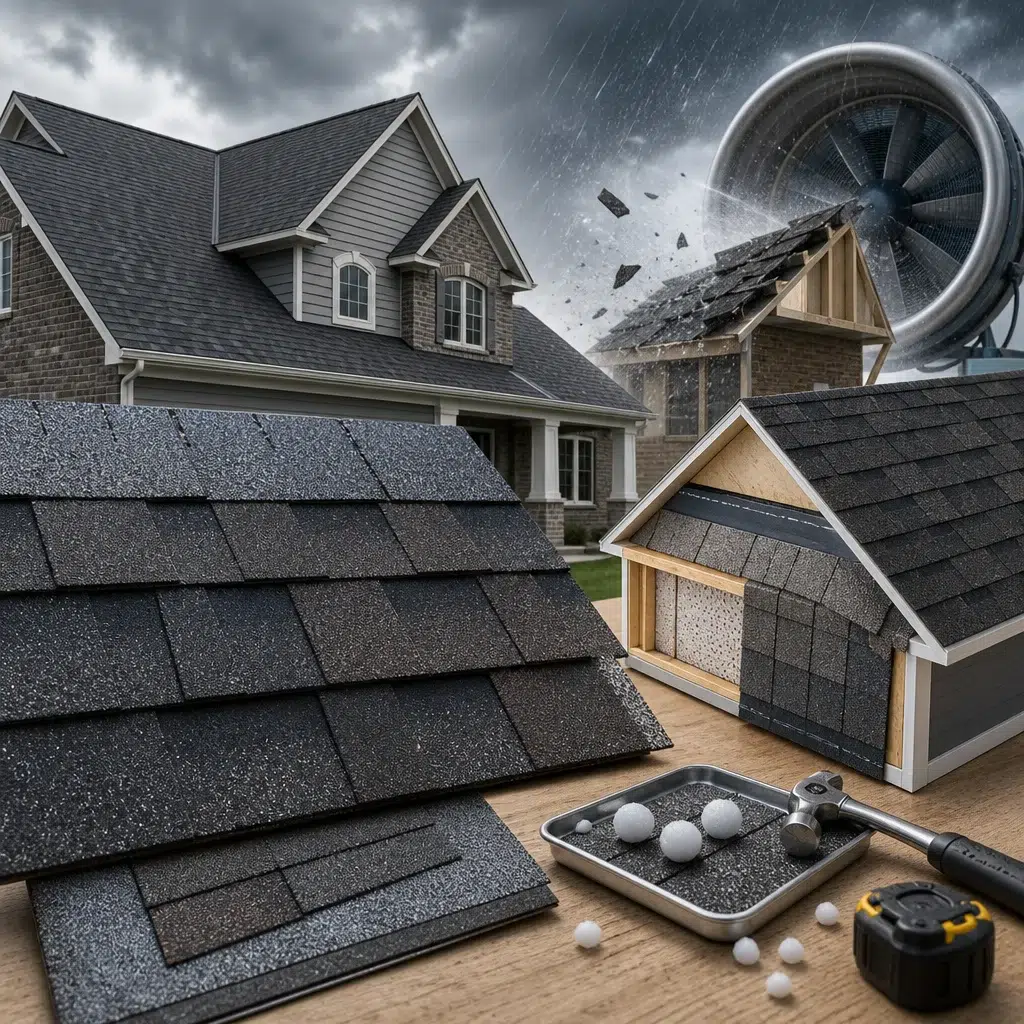
Wisconsin experiences both hail and significant wind events, making higher ratings practical, not just nice-to-have. We specify products with 110+ mph wind ratings and Class 3 or Class 4 impact resistance as standard on most residential projects. The peace of mind is worth the modest upcharge.
Check your homeowners insurance policy. Some explicitly state wind or impact rating requirements. If your current roof doesn’t meet those standards and a claim arises, you might face denial or reduced payout.
Action item: Contact your insurance agent and ask what wind and impact ratings your policy requires or recommends. This often eliminates debate about which shingles to choose.
Our Proven Shingle Selection Process for Maximum Durability
We don’t let clients pick shingles in a vacuum. Our process starts with a comprehensive roof assessment, examining your current structure, ventilation, deck condition, and climate exposure. A poorly installed premium shingle on compromised decking wastes money. We address underlying issues first.
Next, we discuss your priorities honestly. Some owners prioritize longevity above all. Others want the best aesthetics or specific performance certifications. Budget constraints matter too, and we respect them. Based on your goals and property conditions, we narrow recommendations to three or four options that make sense for your specific situation.
We then show samples and explain the practical differences, not manufacturer marketing claims. How does each option perform in freeze-thaw cycling? Which carries better wind ratings? What does the warranty actually cover? We walk through these details so you understand what you’re buying.
For commercial properties, our process includes load calculations and building code compliance checks. Flat roof systems (EPDM or TPO) require different evaluation criteria than pitched residential roofs, and we apply appropriate standards for each.
Our goal is matching the right material to your property and expectations, then executing an installation that maximizes that material’s lifespan.
What to do next: When requesting roofing quotes, ask contractors to explain their shingle selection methodology. Red flags include pushing lowest-cost options without discussion or refusing to customize recommendations based on your property’s specific needs.
How We Install Premium Shingles for Long-Lasting Results
Premium materials fail when installation is poor. Shingles nailed incorrectly, laid over damaged decking, or installed in adverse weather don’t perform as designed. We treat installation as seriously as material selection.
Our crew follows manufacturer specifications precisely. Nails go in the correct locations (centered in designated nail strips), at proper depth (no more, no less), and in adequate quantity. Improper nailing is the leading cause of premature shingle failure, so we train and inspect this step constantly.
We verify roof deck condition before starting. Soft spots, rot, or structural damage require repair before any shingles go down. We ensure proper ventilation and install ice-and-water shield in valleys and along eaves where leaks typically start. These details separate professional work from quick, cheap jobs.
Weather conditions matter too. We don’t install shingles when temperatures drop below 50 degrees or during heavy rain. Cold asphalt shingles become brittle and crack. Wet conditions prevent proper adhesive activation. Poor timing creates problems that show up years later.
Quality control happens throughout installation. We photograph progress, inspect every seam and flashing transition, and verify that manufacturer specifications were followed completely. When customers hire us, they’re getting experienced craftspeople who take the work seriously, not volume installers cutting corners.
Actionable takeaway: Ask any roofing contractor about their installation process, crew training, and quality assurance practices. This reveals whether they’re truly committed to longevity or just focused on completing the job quickly.
Warranty Coverage: What You Need to Know
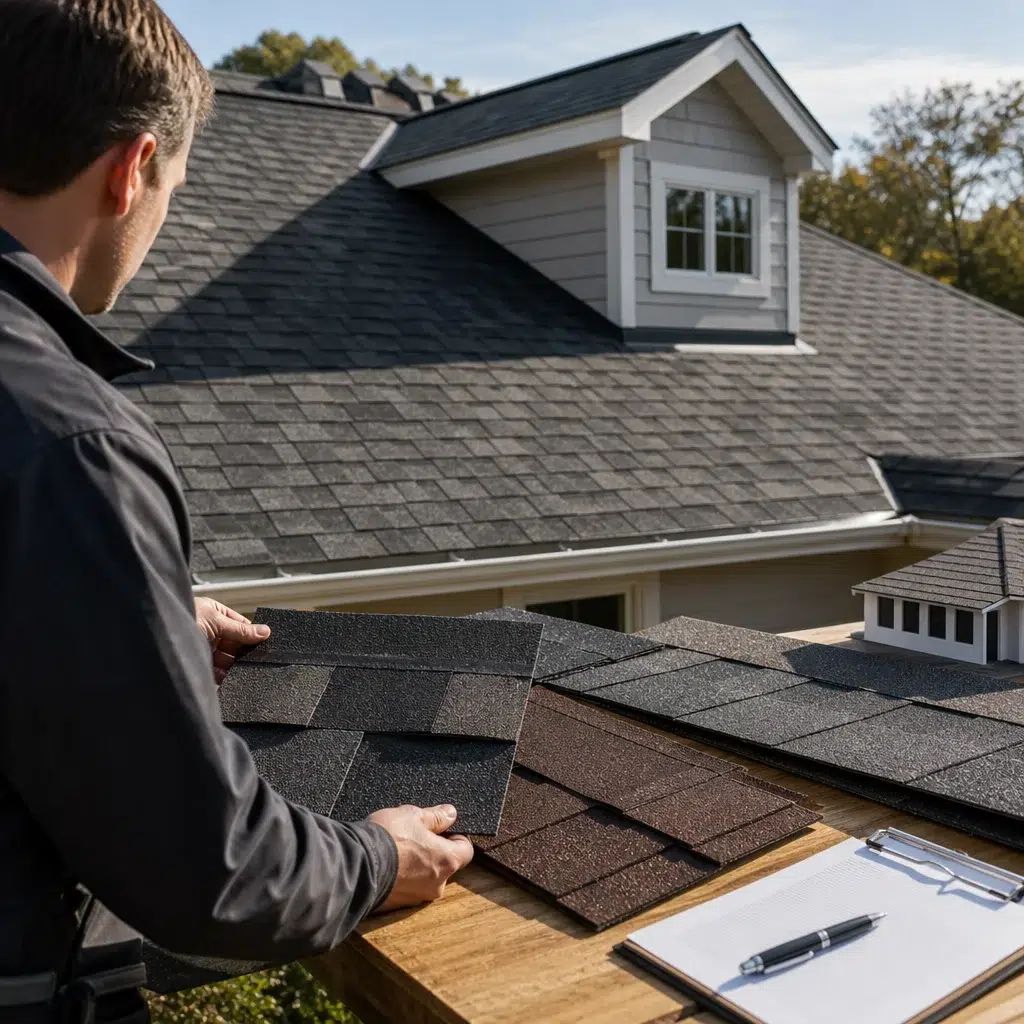
Warranties come in several categories, and understanding the differences protects you. Material warranties cover manufacturing defects and usually last 20-50 years depending on the brand and product line. These warranties typically cover replacement cost or credit, not labor.
Workmanship warranties cover installation quality and usually last 10-20 years. This protects against installer error, not weather or normal wear. Some contractors offer limited workmanship warranties or none at all. We stand behind our installations with a comprehensive workmanship warranty because we’re confident in our processes.
Wind and impact coverage matters significantly. Some warranties exclude storm damage entirely. Others provide full coverage up to a specific wind speed or impact rating. Read the fine print. A warranty that excludes the very conditions your roof faces (like hail) isn’t worth much.
Many manufacturers offer enhanced warranties if you use their approved installer network. We’re certified with top brands, which means our customers receive maximum warranty coverage, not reduced benefits. This is another advantage of hiring experienced, certified contractors rather than unlicensed crews.
Keep documentation organized. Save warranties, receipts, and any maintenance records. When filing a claim, these documents become essential. We provide comprehensive paperwork to every customer, making future claims straightforward.
Next step: Request warranty documents before signing any contract. Ask which specific conditions are covered, what the claim process involves, and what exclusions apply. Don’t hesitate to ask questions.
Protecting Your Property Value with Superior Roofing Materials
Your roof is visible from the street and contributes significantly to curb appeal and property value. A well-maintained premium roof signals to potential buyers that your home received proper care and investment. It directly impacts appraisals and sale prices.
Market research consistently shows that quality roofing returns 60-80% of its cost at resale, depending on your local market and how long you owned the home. Budget roofing, by contrast, often returns only 40-50% because buyers see it as a near-future expense. The math favors premium materials when you plan to stay in your home more than eight to ten years.
For commercial properties, a professional roof demonstrates that you maintain your property to standards tenants and customers expect. It reduces perceived risk for potential buyers or lenders. A deteriorating roof is a deal-breaker for many commercial transactions.
Beyond resale value, a quality roof reduces stress. You’re not constantly worried about leaks, patches, or inspections. You can focus on living in or operating your property instead of managing roof crises.
Our clients invest in premium materials not just for protection, but because they understand the total value equation. They save money long-term, protect their property investment, and enjoy confidence that their roof will perform reliably through decades of Wisconsin weather.
Your action: If you’re planning to stay in your home long-term, premium roofing is financial wisdom, not luxury. If you’re likely to sell within five years, consult a real estate professional about what buyers in your market value.
Schedule Your Expert Roof Consultation Today
Choosing the best asphalt shingle brands requires understanding your property’s specific needs, climate challenges, and long-term goals. We’ve helped Brookfield and surrounding property owners make informed decisions that deliver protection, aesthetics, and value for decades.
We start with a thorough roof inspection and honest consultation about your options. We explain the practical differences between materials, show you samples, discuss warranties, and answer every question. Only then do we recommend a solution that fits your property and budget.
If your roof is approaching replacement or you’re ready to invest in premium materials, we’d welcome the opportunity to evaluate your property and discuss your best options. Contact our team at Expert Exteriors to schedule your consultation.
We’re here to help you protect your property with superior roofing materials and proven installation craftsmanship.
For further reading: Shingle selection guide, Quality standards in roofing, Upgrades beyond standard shingles.