
How to Identify Superior Roofing Workmanship and Quality Standards
Why Roofing Quality Matters More Than You Think
Your roof is your property’s first line of defense against weather, temperature swings, and structural deterioration. A quality roof doesn’t just keep water out; it protects your home’s structural integrity, insulation, and everything inside.
When we work with property owners in Brookfield and surrounding areas, we see a pattern: those who invested in superior roofing workmanship years ago rarely face emergency repairs or replacement surprises. The opposite is also true. Poor roofing work creates a cascade of problems that compound over time.
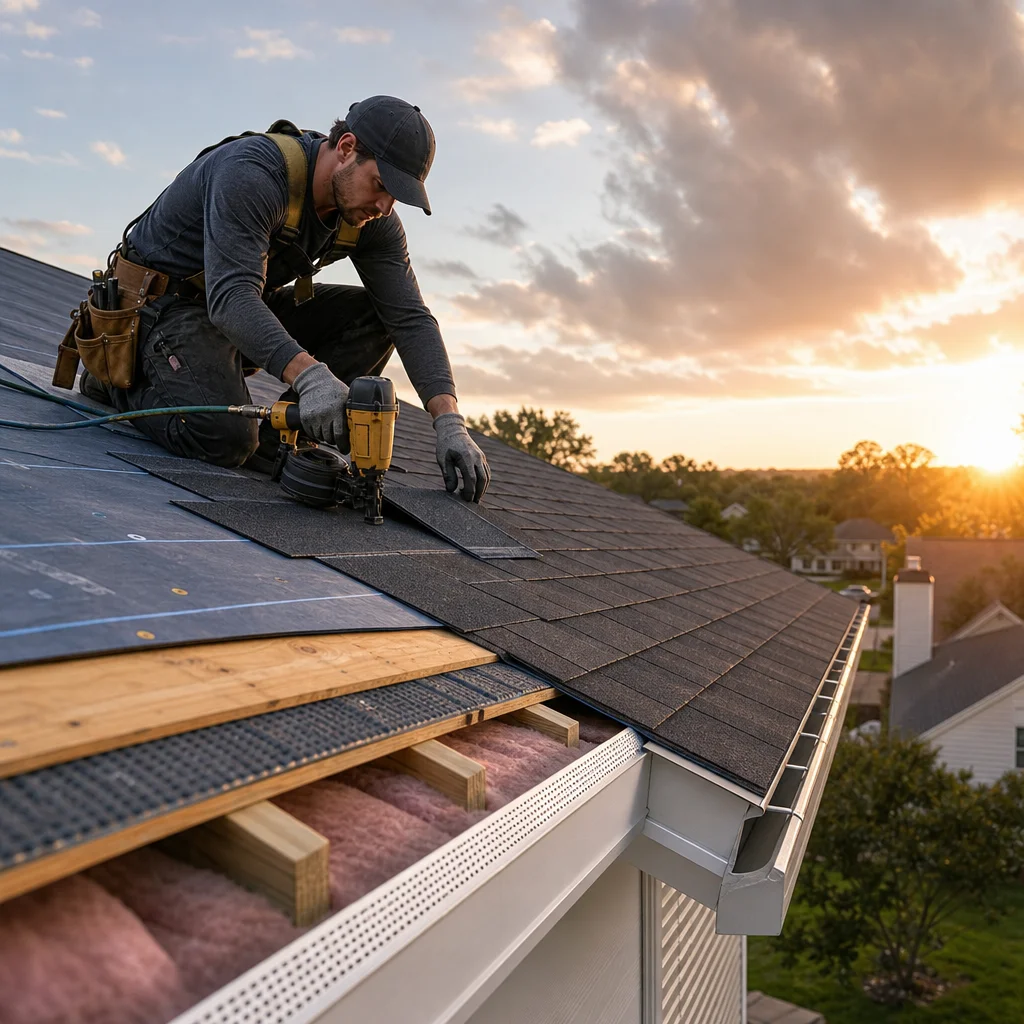
The difference between adequate and excellent roofing isn’t always visible from the street. It lives in the details: how flashing is sealed, how underlayment is installed, how ridge caps are fastened, and how ventilation systems are managed. These hidden elements determine whether your roof performs for 15 years or 30 years.
Your roof represents a significant investment. Understanding roofing quality standards helps you make informed decisions and avoid costly mistakes down the road. Quality workmanship directly affects how long your roof lasts, how well it performs during severe weather, and ultimately, how much it protects your property’s value.
The Hidden Costs of Poor Roofing Craftsmanship
Budget-conscious contractors sometimes cut corners that won’t show up until years later, when water damage, mold, or structural rot becomes apparent. By that point, you’re facing repairs far more expensive than the money saved on installation.
Common shortcuts include:
- Inadequate nailing patterns (reducing wind resistance and fastening strength)
- Insufficient underlayment or improper overlap
- Poor flashing installation around penetrations like vents and chimneys
- Inadequate ventilation, which traps heat and moisture
- Using incorrect fastener types for specific materials
- Improper sealing of joints and overlaps
Each of these issues seems minor in isolation. Together, they create pathways for water infiltration, premature aging of materials, and structural damage that extends beyond the roof itself.
We’ve encountered properties where previous poor installation forced complete replacement just 10-12 years in, when the roof should have lasted 20+ years. The owners paid twice: once for the inferior initial work, and again for the replacement. The true cost of cheap roofing isn’t what you pay upfront; it’s what you pay later.
When evaluating contractor bids, the lowest price should raise questions, not excitement. Experienced contractors price their work based on proper materials, skilled labor, and appropriate timeline. Significant underbidding often indicates corners will be cut somewhere.
Understanding Material Quality and Selection
Not all roofing materials are created equal, even within the same product category. The shingle, membrane, or metal you choose affects durability, performance, and your property’s aesthetic.
For residential applications, asphalt shingles come in several grades. Three-tab shingles are budget-friendly but typically last 15-20 years. Architectural (dimensional) shingles offer better wind resistance and durability, often lasting 20-25 years. Premium architectural shingles with enhanced granule coatings can perform reliably for 25+ years and better withstand extreme weather.
With commercial roofing, material selection depends on your building’s design, climate exposure, and maintenance capacity. EPDM (ethylene propylene diene monomer) is a durable, cost-effective synthetic rubber that performs well in varied climates. TPO (thermoplastic olefin) offers better heat reflectance and is increasingly popular for energy efficiency. Single-ply membranes like these require proper installation and fastening systems to resist wind uplift.
The material alone doesn’t guarantee performance. Installation quality is equally critical. A premium shingle installed incorrectly won’t perform as well as a mid-grade shingle installed expertly. We prioritize getting both components right because neither works well without the other.
When selecting materials, consider your local climate, your roof’s exposure to wind and sun, and your long-term plans for the property. A contractor who listens to these factors and recommends accordingly is thinking about your investment, not just closing a sale.
Proper Installation Techniques That Protect Your Investment
Installation is where roofing quality truly comes to life. This is where superior workmanship separates excellent contractors from the rest.
Proper installation begins before any materials touch your roof. The substrate must be inspected and prepared. If roof decking is compromised or rotted, it must be replaced. Proper ventilation pathways must be established or maintained to prevent moisture buildup. Flashings must be planned and cut precisely.
Fastening standards vary by material and installation environment. For asphalt shingles, nailing placement, nail type, and nail depth all matter. Nails driven too deep or at incorrect angles weaken fastening; nails driven at the wrong spacing leave areas vulnerable to wind uplift. Building codes specify requirements, and quality contractors follow these precisely.
Underlayment installation prevents water from reaching the deck if water somehow breaches the outer material. Proper overlap, appropriate fastening, and correct sealing at joints ensures this critical barrier works as designed. Many roofing problems trace back to inadequate underlayment.
Edge details and penetrations are high-risk areas where water can enter. Flashing around chimneys, vents, skylights, and valleys must be installed with proper overlap and sealed correctly. These details often receive insufficient attention during installation, yet they’re critical to overall performance.
For commercial membrane roofing, fastening patterns and seaming techniques determine wind uplift resistance and water integrity. TPO and EPDM membranes require specific fastening densities and sealing procedures that must be followed exactly.
Quality contractors invest time in getting these details right because they understand that a roof is only as good as its weakest point. When we install roofing, we follow manufacturer specifications precisely and exceed building code minimums.
The Importance of Professional Licensing and Certifications
Licensing and certifications provide accountability and assurance that a contractor understands current standards and best practices.
A licensed roofing contractor has passed exams demonstrating knowledge of building codes, safety standards, and proper installation techniques. Licensing requirements vary by state and municipality, but they exist to protect property owners. Licensed contractors are also typically bonded and insured, meaning you have recourse if something goes wrong.
Beyond general licensing, specialized certifications matter. Many material manufacturers offer certification programs where contractors demonstrate they’ve been trained in proper installation of that specific product. A TPO certification means the contractor has demonstrated competency with TPO-specific seaming, fastening, and membrane handling. This training reduces installation errors.
Insurance is another critical element. General liability insurance covers property damage; workers’ compensation covers employee injuries. A contractor without proper insurance puts you at financial risk if someone is injured on your property or if damage occurs to adjacent areas.
Ask any contractor for proof of licensing and insurance before discussing your project. It’s not disrespectful; it’s smart due diligence. Legitimate, professional contractors expect this question and have documentation readily available.
We maintain all required licenses and carry comprehensive insurance coverage. We also hold manufacturer certifications for the roofing systems we install, ensuring our teams are trained in the specific requirements of each product we work with.
Warranty and Guarantee Standards in Quality Roofing
Warranties and guarantees reveal how much confidence a contractor has in their workmanship and in the materials they’re installing.
Material warranties typically come from the manufacturer. A quality asphalt shingle comes with a 20-25 year warranty. Commercial membranes like EPDM or TPO often include warranties of 10-20 years, depending on the product. These warranties cover material defects but often don’t cover installation errors or issues caused by improper maintenance.
Workmanship guarantees come from the contractor. A quality contractor warrants that their installation was performed correctly and that their work will perform as designed. Typical workmanship guarantees range from 1-10 years, with longer guarantees indicating greater confidence.
Flat roof warranties for commercial properties deserve special attention because they often involve multiple layers of protection. A comprehensive warranty might include material coverage, workmanship coverage, and even weatherproofing guarantees that extend beyond standard terms.
The fine print matters tremendously. Some warranties exclude coverage for wind damage, hail, or specific weather conditions. Others require annual maintenance from a certified contractor. Understanding what’s actually covered helps you make informed choices and prevents surprises when you need to file a claim.
A contractor offering short or minimal warranties may be concerned about potential failures. Those offering comprehensive warranties are betting on quality installation and material performance. We stand behind our workmanship with warranties that reflect our confidence in both our installation and the materials we specify.
How We Ensure Superior Workmanship at Expert Exteriors
At Expert Exteriors, superior workmanship isn’t a marketing claim; it’s how we operate on every single project.
We start with thorough site assessment and planning. Before installation begins, we inspect existing conditions, identify potential challenges, and develop a detailed installation plan. This planning prevents problems during installation and ensures we understand exactly what’s needed.
Our teams are trained and experienced in the specific systems we install. For residential work, we’re certified in the application of the shingle products we recommend. For commercial projects, our crews hold TPO and EPDM certifications specific to those membrane systems. This specialized training means our teams understand nuances and best practices that general contractors might miss.
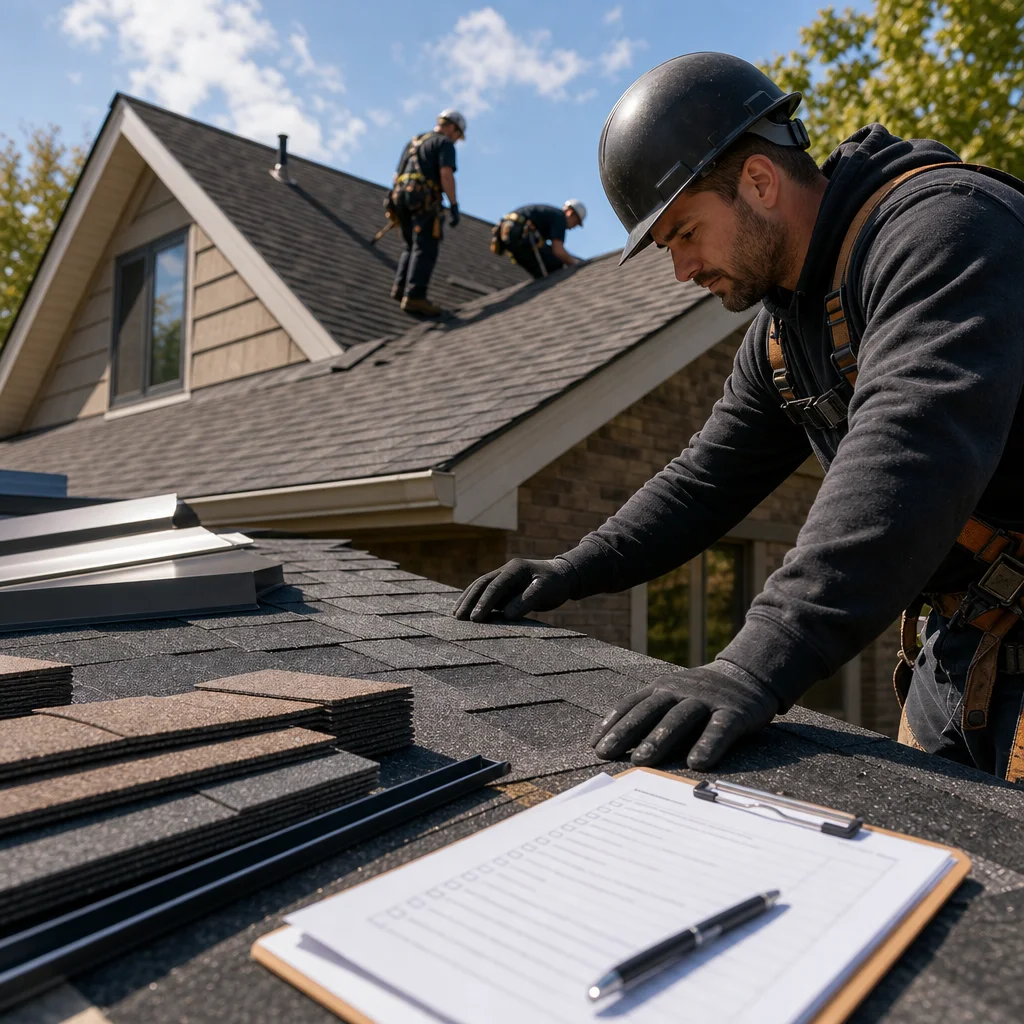
We follow manufacturer specifications precisely and exceed building code minimums. We use appropriate fasteners, maintain proper spacing and overlap, and seal all penetrations and joints to manufacturer standards. When building codes and manufacturer recommendations differ, we follow whichever is more stringent.
Quality control happens throughout installation, not just at the end. Our supervisors conduct in-process inspections at critical stages: deck preparation, underlayment installation, material application, and final cleanup. This staged approach catches issues while they can still be corrected rather than discovering problems after the roof is complete.
Material selection happens with your input and our expertise. We discuss the performance characteristics of different products, their longevity expectations, and their suitability for your specific property and climate exposure. You make the final decision, but you’re making it with full information about what will serve your property best.
We also educate homeowners and business owners about maintenance. A quality roof installed by professionals will perform well for decades if treated properly. We explain seasonal maintenance, debris removal, and inspection schedules that help protect your investment.
Signs of Excellence in Residential Roof Installation
When evaluating residential roof work, these specific details indicate quality installation:
Fastening and penetrations: Look at vents, flashings, and ridge caps from your attic perspective if possible. Fasteners should be sealed with roofing cement or sealant. There should be no exposed nail heads. Flashing should overlap adjacent materials properly with no gaps or raised edges.
Material alignment: Shingles should be straight and aligned, with even exposure. Courses should be aligned horizontally, and vertical joints should follow a clear pattern. This requires careful layout and precise cutting, not just random installation.
Edge details: Starter strips along eaves and gables establish proper shingle alignment. Roof edges should show clean, professional finishing. Drip edge (if used) should be installed correctly and sealed appropriately.
No exposed nails or fasteners: Quality installation hides all fasteners. Exposed nail heads create potential water entry points and indicate rushed or careless work.
Clean finishing: Excess roofing cement, nail pops, or visible debris indicate incomplete or rushed work. Professional installation includes thorough cleanup and site restoration.
Proper ventilation: From the exterior, you should see properly installed roof vents or ventilation (if the design calls for it). From the attic, insulation shouldn’t block ventilation pathways, and intake and exhaust vents should be clear and accessible.
When you’re evaluating roofing contractors, ask if you can see recent residential projects they’ve completed. Photo documentation or site visits give you concrete evidence of the quality they actually deliver rather than just promises about what they’ll do.
Commercial Roofing Quality Standards We Follow
Commercial roofing demands different standards than residential because the stakes are often higher and the roofs often have longer spans and more complex designs.
For membrane roofing systems like TPO and EPDM, we follow NRCA (National Roofing Contractors Association) standards for installation. This includes specific requirements for:
- Seaming procedures and seam strength (critical for waterproofing)
- Fastening density to resist wind uplift (varies by building height and location)
- Membrane thickness and material quality specifications
- Drainage system design and installation
- Edge details and flashing compatibility
Commercial roofing membranes must handle thermal expansion and contraction cycles. We design systems that accommodate movement without creating stress points that could fail. This requires understanding how materials perform in your specific climate across seasons.
Penetrations and roof-mounted equipment require special attention on commercial properties. We design and install flashings that integrate properly with the membrane system and handle thermal movement appropriately. A poorly designed vent or equipment flashing on a commercial roof creates a water infiltration point that can affect large interior areas.
Commercial properties also require attention to slope and drainage. While residential roofs typically shed water by sloping, many commercial roofs use a low-slope or flat design that relies on proper drainage to prevent ponding. We ensure slope meets specifications and that drainage systems are appropriately sized and installed.
We also specify maintenance schedules for commercial systems. Membrane roofs need periodic inspection and maintenance to catch minor issues before they become problems. Building a maintenance plan into your roofing project helps protect your investment and often helps preserve manufacturer warranty coverage.
Inspection Checkpoints for New Roof Installation
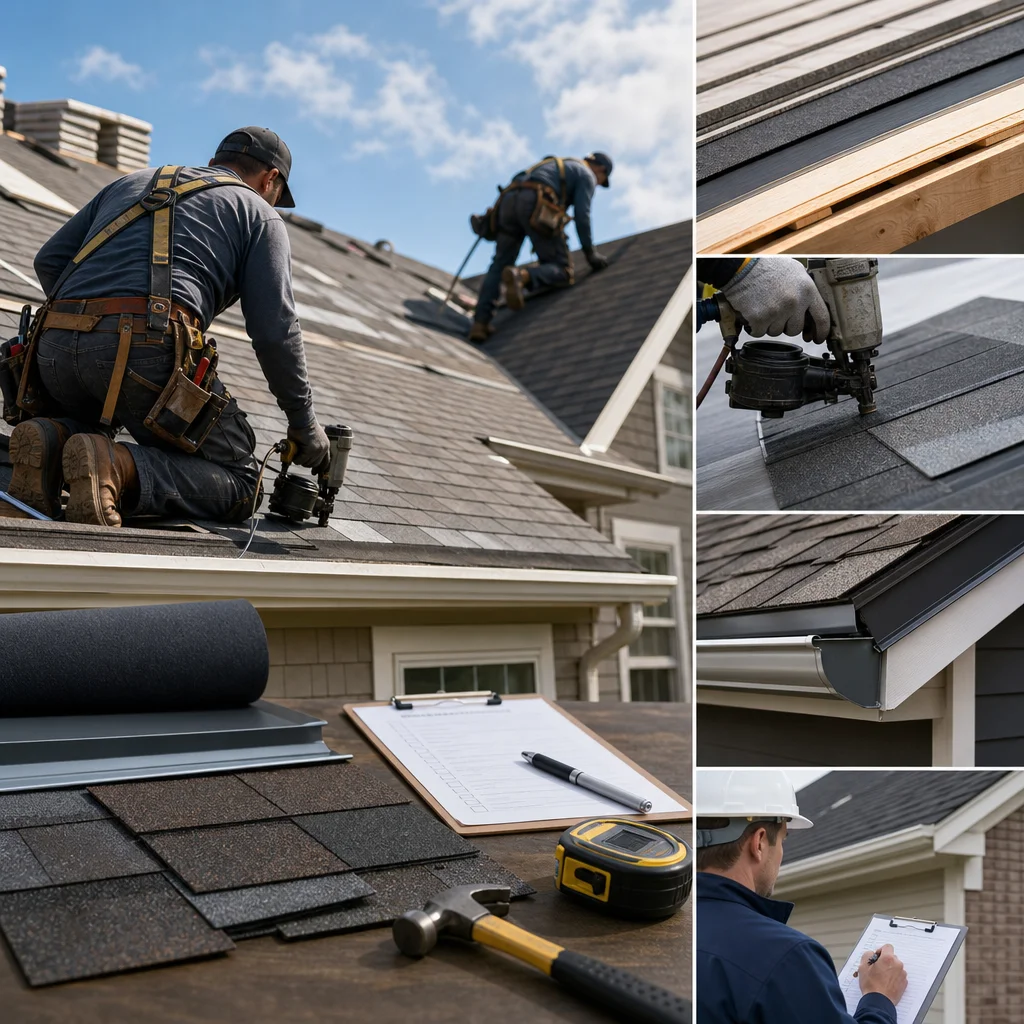
When your new roof installation is complete, here are critical inspection points that indicate quality workmanship:
Substrate and preparation: The underlying deck should be solid, clean, and properly prepared. Any damaged areas should have been repaired. No staining or water damage should be present.
Underlayment: If visible (particularly at valleys or edges), underlayment should be properly overlapped and secured without wrinkles or bumps that could telegraph through the finished roof.
Flashing details: Every penetration should have properly installed flashing sealed with appropriate materials. Chimneys, vents, skylights, and valleys should show professional-quality work with no gaps or improper overlaps.
Fastening: Fasteners should be driven flush without being over-driven. Nail heads should be sealed (not exposed). Fastening patterns should be consistent and follow specifications.
Material application: Shingles or membranes should be straight and properly aligned. There should be no wrinkles, buckles, or visible seams (except in TPO where seams are inherent but should be properly sealed). Cut edges should be clean and sealed as needed.
Drip edge and edge protection: Fascia edges should show clean, professional installation. Drip edge should be properly sealed and finished.
Ventilation: Attic or ridge vents should be properly installed and sealed. Ventilation pathways should be clear and unobstructed.
Cleanup: The jobsite should be cleaned thoroughly. Roofing nails, debris, and waste materials should be removed. Landscaping and adjacent areas should be protected or restored.
Documentation: You should receive detailed documentation of what was installed, including material specifications, warranties, and maintenance recommendations.
Ask your contractor for a final walkthrough where they explain what they’ve done, point out key features, and discuss maintenance. This conversation reveals whether they understand the work they completed and are confident in its quality.
Questions to Ask Before Hiring Your Roofing Contractor
Asking the right questions upfront prevents misunderstandings and helps you identify contractors committed to quality.
Questions to ask your roofer should cover:
- How long have you been in business, and what’s your experience with my specific type of roof?
- Are you licensed, insured, and bonded? Can you provide proof?
- Are you certified by the material manufacturers you’ll be using?
- What specific installation procedures will you follow, and how do they align with manufacturer specifications?
- What warranties do you offer on workmanship, and what exactly do they cover?
- Can you provide references from recent projects similar to mine?
- How will you handle site cleanup and restoration?
- What happens if problems are discovered during installation?
- How will you manage weather delays or other complications?
- Do you handle permit applications and inspections, or is that my responsibility?
Request references and actually contact them. Ask how the contractor handled unexpected issues, whether the project stayed on schedule, and whether they’d hire them again. Reference calls take 10 minutes and provide invaluable perspective.
When evaluating roofing bids, don’t simply compare total prices. Break down what’s included: materials, labor, warranties, cleanup, permit handling. A bid that’s $1,500 less might be because the contractor is using lower-grade materials or skipping steps. Understand exactly what you’re comparing.
Protecting Your Property With Premium Roofing Solutions
Your roof is one of your property’s most important investments. Choosing a contractor committed to superior roofing quality standards pays dividends for decades.
Quality roofing installation protects against water damage, extends material lifespan, maintains your home or building’s structural integrity, and preserves property value. These benefits far exceed the modest premium you might pay for quality work compared to budget alternatives.
At Expert Exteriors, we believe quality isn’t optional; it’s the only approach that makes sense. We’ve built our reputation on delivering superior workmanship on residential and commercial projects throughout Brookfield and surrounding areas. We use quality materials, follow manufacturer specifications precisely, and train our teams thoroughly in the specific systems we install.
If your property needs roofing attention, we encourage you to consider the full picture: material quality, installation expertise, contractor credentials, and warranty protection. We’re confident in what we can deliver and happy to discuss your project in detail.
Contact Expert Exteriors to schedule a roofing assessment and discuss how we can protect your property with premium roofing solutions. We’ll walk through your options, explain our approach to quality workmanship, and help you make informed decisions about your roofing investment.