

Best Time for Roof Replacement: Seasonal Pros and Cons for Wisconsin Property Owners
Why Timing Matters for Your Roof Replacement Project
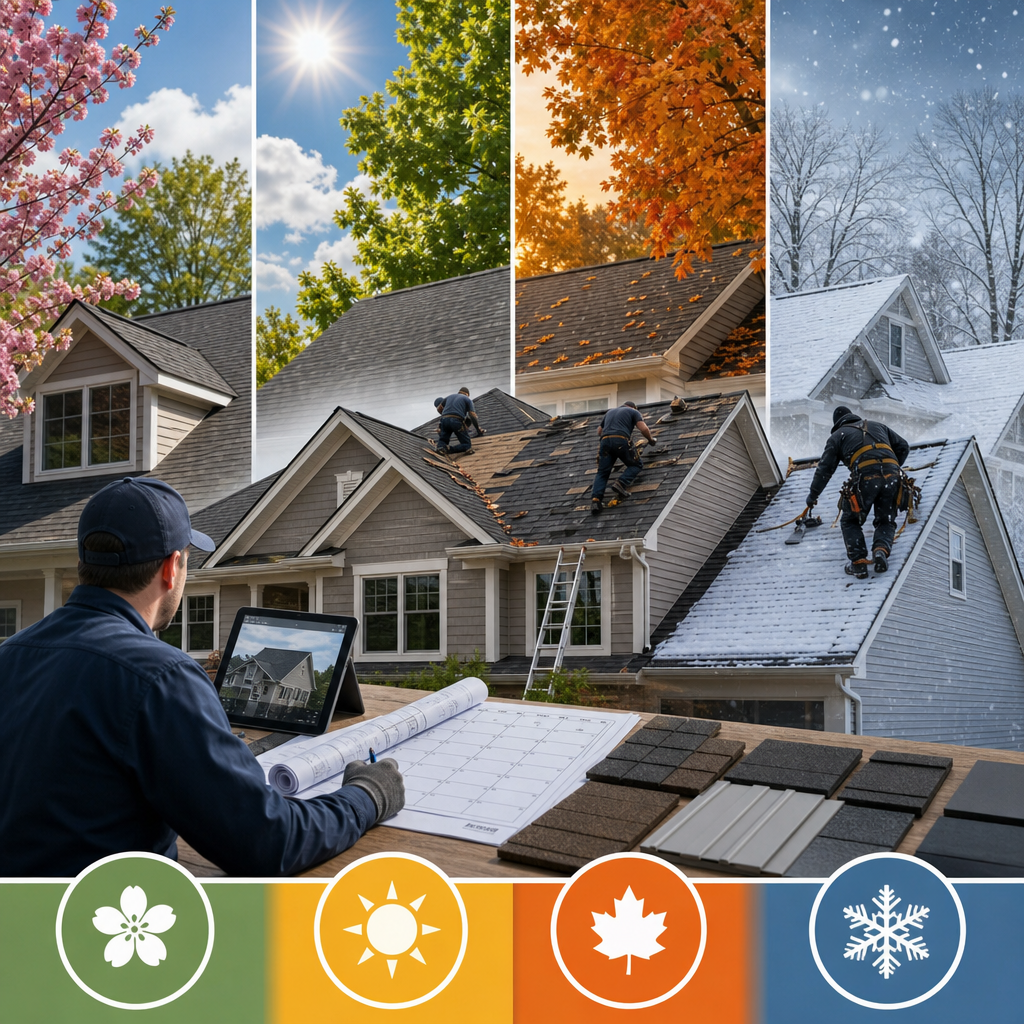
The right timing for roof replacement can mean the difference between a smooth, efficient project and one plagued by weather delays, higher costs, and contractor availability issues. Wisconsin’s climate creates distinct seasonal challenges that directly impact how we work, material performance, and how quickly we can complete your project.
We’ve learned that planning ahead matters more than rushing into work during unfavorable conditions. A roof replacement that takes two weeks in optimal weather might stretch into four weeks during rainy periods or require special handling in cold temperatures. Beyond scheduling, the season affects material flexibility, adhesive curing times, and our ability to properly inspect and prepare your roof.
Your decision to replace now versus waiting affects not just timeline and cost, but also the quality of the finished work. Choosing the best window for your specific situation means fewer complications and better long-term protection for your home or business.
Spring Roof Replacement: Maximizing Weather and Contractor Availability
Spring offers mild temperatures and increasing daylight hours that make roof work safer and more efficient. Daytime temperatures typically range from 50 to 65 degrees Fahrenheit, which is ideal for installing most roofing materials without the extreme heat stress of summer.
The main advantage is predictability. Spring mornings may bring rain, but extended dry periods become more common as the season progresses. We can plan around typical spring showers rather than the unpredictable freeze-thaw cycles of winter or the sudden summer storms that roll through Wisconsin.
However, spring does bring its complications. April and early May see peak demand for roofing contractors across the region, which means:
- Harder to schedule preferred dates
- Potential price premiums during peak season
- Longer lead times for materials
- Less flexibility if weather changes your timeline
If spring works for your schedule, we recommend booking by late winter. This secures your preferred timing before contractor calendars fill up. Spring suits projects where you want standard asphalt shingles or commercial TPO systems, as materials adhere properly in mild conditions without requiring heat guns or extended curing time.
Summer Roofing Work: Benefits and Scheduling Challenges
Summer heat might seem ideal for roofing, but it actually creates distinct challenges in Wisconsin. Temperatures above 85 degrees can soften asphalt shingles and adhesives, making installation technique more critical and potentially slowing our crew’s pace to maintain quality.
The real summer advantage is extended daylight. Long work days mean more productive hours, and we can often complete residential replacements in just a few days rather than stretching across a week. Clear, dry conditions reduce weather-related downtime.
The downside is scheduling complexity:
- Most contractors are fully booked
- Heat exhaustion and heat safety become real concerns for crews
- Material costs may spike due to demand
- Summer storms can interrupt progress with little warning
Summer works best if your roof is actively leaking or showing emergency signs that can’t wait. Otherwise, you’re likely paying premium rates for contractor availability during peak season. If summer is your only option, confirm your contractor’s heat safety protocols and ask about early-morning or late-afternoon scheduling to work around the hottest parts of the day.
Fall Replacement Season: Why Our Team Recommends This Window
Fall is when we see the ideal combination of factors align. September and October offer comfortable temperatures between 60 and 75 degrees, lower humidity than summer, and typically more stable weather patterns than spring or early winter.
Material performance peaks in fall conditions. Asphalt shingles, EPDM, and TPO all cure and adhere properly without the temperature stress of summer heat or the brittleness risk of winter cold. Contractor availability opens up as summer demand declines, giving you genuine scheduling flexibility without the premium pricing of peak season.
From our experience, fall projects move smoothly:
- Fewer weather delays compared to spring
- Better material pricing than peak summer
- Crews work at optimal pace and safety levels
- Clear scheduling options three to four months out
October is particularly strong for Wisconsin. We typically have five to six weeks of ideal conditions before early November weather becomes unpredictable. If your roof can wait until fall, this is the season we most recommend. You’ll see better pricing than spring or summer, faster completion, and superior material installation quality.
Winter Roof Replacement: When It’s Necessary and How We Handle It
Winter roof replacement in Wisconsin isn’t ideal, but it’s sometimes necessary. If your roof is actively failing, compromising interior structures, or creating a safety hazard, we don’t wait for spring.
Our winter approach requires specialized handling. Cold temperatures below 40 degrees make traditional asphalt shingles brittle and adhesives slow to set. We manage this through:
- Pre-warming shingles and materials in heated conditions before installation
- Using specialized cold-weather adhesives designed for Wisconsin winters
- Strategic tarping to manage water runoff during installation
- Careful timing around snow and ice accumulation
Winter projects take longer because of these precautions. A five-day fall job might stretch to seven or eight days in January. Material costs also increase due to the additional labor, heating equipment, and specialized products required.
Winter replacement makes sense only when delays create greater risk to your property. If you’re simply trying to fit a roof replacement before year-end for tax or insurance reasons, we’ll usually advise waiting for spring or, better yet, pushing to fall of the next year. The extra cost and timeline extension rarely justify the urgency.
How Weather Conditions Impact Your Project Timeline
Wisconsin weather is the primary variable affecting roof replacement timelines. Beyond seasonal temperature ranges, specific weather events create cascading delays.
Spring rain can interrupt work for two to three days at a time. We can’t install roofing materials during active precipitation because water compromises adhesion and creates safety hazards on wet slopes. If your project is scheduled for early May and unusual spring storms arrive, you’re looking at rescheduling around the rain.
Summer heat requires pace adjustments. Crews working in 90-degree heat take more frequent breaks and move more carefully to ensure quality and safety. A summer job might require ten hours of work spread over six calendar days instead of five days of intense work you’d see in fall.
Winter conditions create the most complexity. Snow accumulation forces work stoppages, and ice on shingles or roofing surfaces creates safety risks we won’t tolerate. We factor in weather buffer time when scheduling winter projects, adding one to two weeks to the estimated timeline.
Your project timeline depends on:
- Season chosen (fall shortest, winter longest)
- Regional weather patterns that specific year
- Material type selected
- Property roof size and complexity
- Our team’s other scheduled commitments

When we provide a timeline estimate, we include weather buffer. A “five-day project” means five working days of actual installation, which may span seven to nine calendar days depending on weather breaks.
Avoiding Costly Delays: What We’ve Learned in Wisconsin
Over years of roof replacement work across Brookfield and surrounding areas, we’ve identified specific situations that consistently cause delays and budget overruns.
Scheduling too close to seasonal transitions creates risk. A roof replacement scheduled for late November or early April sits right at the edge of unpredictable weather. We recommend booking projects for the heart of the season: mid-March through early May for spring, June through August for summer, and September through mid-October for fall.
Underestimating complexity during initial assessment leads to delays. Hidden damage under old roofing, structural issues, or ventilation work often emerges once we remove the existing roof. We conduct detailed inspections before scheduling to surface these issues early. This prevents mid-project surprises that extend timelines.
Material lead times create unexpected delays if not planned for. During peak season, some premium material options have four to six week lead times. If you specify materials without confirming availability during your intended season, you’re either delaying start dates or switching to stock options.
Material availability and weather windows are tied together. Order materials too late in fall, and early winter weather might prevent installation once materials arrive. Order too early in spring and late frosts or unexpected snow might damage materials stored on-site.
Our approach to avoiding delays:
- Book projects six to eight weeks ahead, minimum
- Complete detailed pre-project inspections to identify hidden issues
- Confirm material availability at the time of scheduling
- Build realistic weather buffer into all timelines
- Maintain clear communication about weather-related changes as they occur
Our Process for Year-Round Quality Roof Replacements
Quality doesn’t change with the season at Expert Exteriors. Whether we’re installing your roof in September or December, we follow the same rigorous process designed to deliver durable, weather-tight results.
We begin with a comprehensive site evaluation. Our team assesses not just the roof condition but also drainage, ventilation, structural integrity, and any hidden damage. This inspection informs our material recommendations and identifies any preparatory work needed before actual replacement begins.
Material selection accounts for seasonal conditions. In fall and spring, we typically recommend standard asphalt architectural shingles because temperature and humidity conditions favor proper installation. For commercial properties, we specify TPO or EPDM based on seasonal performance characteristics and curing requirements.
Our installation process remains consistent year-round:
- Complete removal of existing roofing materials and inspection of roof deck
- Structural repairs or reinforcement as identified
- Installation of weather barriers and underlayment
- Material installation following manufacturer specifications
- Quality inspection of all seams, penetrations, and perimeter areas
The timeline adjusts seasonally, but the quality standard stays fixed. We don’t cut corners in winter to move faster or sacrifice attention to detail in summer heat.
Our roof replacement services ensure proper installation regardless of when your project occurs. We follow all manufacturer guidelines for temperature, humidity, and curing times, adapting our methods to seasonal conditions rather than compromising installation quality.
Signs Your Roof Can’t Wait for the Ideal Season
Sometimes property owners face situations where roof replacement urgently matters, regardless of the season or timing.
Active leaking inside your structure requires immediate attention. Water damage spreads quickly and creates mold risk, insulation degradation, and structural rot if left untreated. If you’re seeing water stains on interior ceilings or walls, waiting for fall is irresponsible to your property’s condition.
Visible shingle loss or buckling indicates advanced deterioration. Missing shingles expose the underlayment to UV damage and water infiltration. Buckling or curling shingles signal nearing end-of-life. If you see these conditions, plan replacement within the next two to three months rather than stretching the timeline indefinitely.
Post-storm damage with visible penetrations or separated materials requires urgent repair. Wind damage that tears shingles or separates flashing creates immediate vulnerability. Schedule replacement as soon as possible after assessment.
Areas of sagging roof structure indicate potential load-bearing issues. This is a safety concern requiring professional evaluation and likely urgent replacement planning.
Granule loss visible in gutters or on the ground underneath your roof eaves shows accelerated aging. Excessive granule loss (enough to noticeably fill gutters) means your shingles are losing protective coating and approaching failure.
If any of these signs are present on your roof, contact us for an urgent evaluation. We can schedule emergency assessments and prioritize your project even during busy seasons. Waiting for the “best” time to replace costs more in property damage than the premium you might pay for off-season work.
Protecting Your Property While Planning Your Replacement
If your roof shows wear but doesn’t yet require emergency replacement, protective measures minimize damage while you plan your replacement for the ideal season.
Ensure gutters and downspouts function properly. Clogged or damaged gutters direct water toward your structure’s foundation and can accelerate shingle deterioration by trapping moisture. Clean gutters twice yearly, especially before fall and spring.
Trim tree branches overhanging your roof. Branches rub against shingles, accelerate wear, and drop debris into gutters. Debris trapping moisture accelerates deterioration. Strategic pruning reduces these risks while you plan your replacement.
Improve attic ventilation if possible. Poor ventilation concentrates heat and moisture in your attic space, which accelerates shingle aging from beneath. If your attic feels hot and humid compared to outside conditions, ventilation improvements should be part of your replacement discussion.
Address any interior water stains or moisture immediately. If you’re seeing small leaks, don’t wait for conditions to worsen. We can assess whether emergency patching is needed or if your situation allows waiting for seasonal scheduling.
Consider your property’s overall exterior needs. If you’re replacing your roof, you might coordinate siding, fascia, soffit, or gutter work to minimize overall disruption and potentially reduce project costs. Our coordinated project management approach helps streamline multiple exterior projects into one efficient timeline.
Schedule Your Roof Replacement with Expert Exteriors Today
The best time for roof replacement is when conditions align with your property’s needs and your schedule allows proper planning. For most Brookfield-area property owners, fall offers ideal timing. For those facing urgent roof failure, we’re available year-round with seasonal expertise.
We recommend contacting us three to four months before your ideal installation window. Early planning secures your preferred dates, allows thorough inspection and material sourcing, and prevents last-minute pricing premiums.
Contact Expert Exteriors for a free roof assessment. Our team will evaluate your roof’s current condition, discuss seasonal considerations specific to your situation, and help you plan replacement timing that works for your property and budget. Whether you’re looking ahead to fall or facing an urgent roofing issue, we’re here to guide you toward the right decision.