
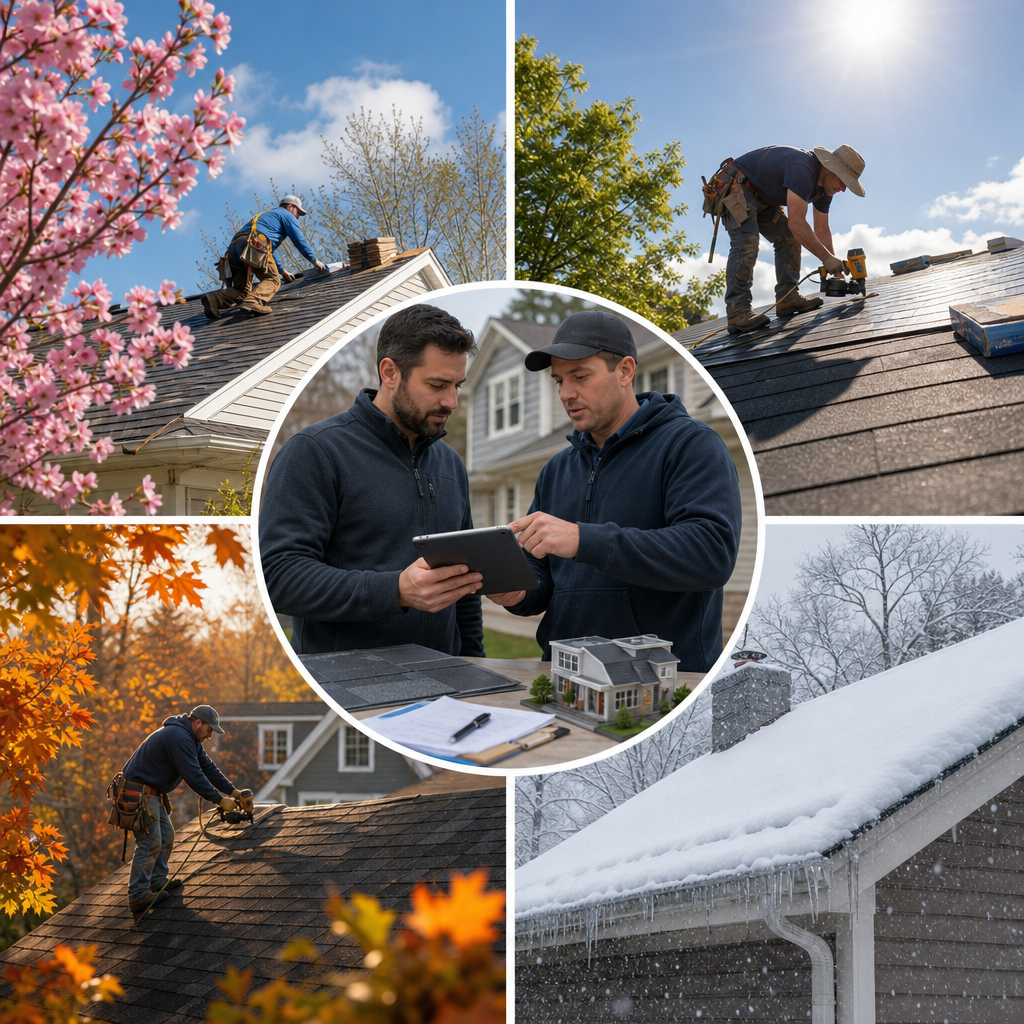
Best Time for Roof Replacement in Wisconsin: Seasonal Guide for Property Owners
Why Timing Matters for Your Wisconsin Roof Replacement Project
Scheduling a roof replacement in Wisconsin isn’t as simple as picking a date on the calendar. The state’s dramatic seasonal shifts mean that weather conditions, contractor availability, material performance, and project costs swing significantly throughout the year. A roof replacement that moves smoothly in late August might face delays, safety risks, or higher expenses if scheduled for December.
We’ve worked on roofing projects across Brookfield and the surrounding areas long enough to know that timing directly affects quality, budget, and peace of mind. When you replace your roof at the right time, your contractor can work efficiently, materials adhere and cure properly, and your new roof starts its lifespan under ideal conditions. The wrong season can stretch timelines, create safety hazards for crews, and potentially compromise the installation quality.
Your specific situation matters too. A commercial property with heavy foot traffic has different scheduling needs than a residential home. An emergency replacement driven by storm damage requires a different approach than planned maintenance. Understanding your options helps you make the decision that protects your property and fits your budget.
Spring Roofing: Advantages and Challenges in Wisconsin
Spring arrives as Wisconsin shakes off winter, and many property owners see March through May as prime roof replacement season. Temperatures climb into the 50s and 60s, which is ideal for shingle adhesion and sealant curing. Days lengthen, giving crews more working hours, and most contractors haven’t yet booked solid through summer.
The main advantage is contractor availability. Spring scheduling often means less waiting time compared to the competitive summer months. Your project can begin sooner, and we can typically complete residential replacements within a week or two.
However, spring weather in Wisconsin remains unpredictable. Late snowfall, sudden rain, and temperature fluctuations between warm days and cold nights can disrupt work or delay material deliveries. Muddy yards make equipment placement challenging and can damage landscaping. Crews must work around spring storms more frequently than in other seasons, which can stretch project timelines.
If you’re planning a spring roof replacement, schedule your inspection and estimate by late February. This timing gives contractors enough lead time while preventing you from missing the spring window entirely. Have a contingency plan if you’re targeting a specific completion date, since weather delays are common.
Summer Roof Replacement: Peak Season Benefits and Scheduling
June through August represents peak roofing season across Wisconsin. Warm, stable weather creates ideal conditions for installation. Shingles soften and seal properly, crews can work long days, and rain interruptions are less frequent than in spring. Many property owners want their roof done before summer entertaining season, so demand is high.
The trade-off is clear: peak season means higher contractor availability pressures and potentially higher costs. Lead times stretch to weeks or months, and you may pay a premium for summer scheduling. If your roof doesn’t need emergency replacement, booking in early summer increases your chances of getting your preferred contractor and timeframe.
For commercial properties that need minimal downtime disruption, summer scheduling often works well. Contractors can mobilize quickly, work extended hours, and complete projects efficiently. Schools, offices, and retail spaces often schedule roofing during summer breaks or slower business periods.
Start conversations with roofing contractors by April if you want a summer appointment. We maintain year-round capacity, but early booking ensures scheduling flexibility and eliminates rushed timelines. Visit our Brookfield roof replacement services page to discuss your summer project timeline.
Fall Roofing Projects: Optimal Conditions Before Winter
Fall, particularly September and early October, offers some of the best conditions for roof replacement in Wisconsin. Temperatures remain warm enough for proper shingle sealing (typically 50 degrees or higher), but humidity is lower than summer, which benefits sealant curing. The weather is more stable than spring, and contractors can work with fewer unexpected delays.
This is the ideal window if you’ve been considering a replacement. Your new roof finishes installation before winter weather arrives, ensuring it faces the heavy snow and ice loads of Wisconsin winters in peak condition rather than during cure time.
Scheduling fall work requires booking by July or August. Many contractors fill their fall calendars early because owners recognize the advantages. If fall works for your timeline, move quickly to secure your appointment. We typically can accommodate fall projects when contacted before midsummer.
The main challenge is that fall schedules tighten fast. If you wait until September, availability shrinks and you may face longer waits. Plan your inspection and budget approval by mid-July to maximize fall scheduling options.
Winter Roof Replacement Considerations and Emergency Solutions
Winter roof replacement in Wisconsin is possible but complex. Temperatures below 40 degrees prevent asphalt shingles from sealing properly, and ice makes roofs dangerously slippery for crews. Material brittleness increases the risk of damage during handling. Snow cover and frequent storms interrupt work continuously.
We handle winter replacements when necessary, particularly for emergency situations where a damaged roof threatens property damage or safety. In genuine emergencies, temporary tarping and repairs hold the line until spring, and permanent replacement happens when conditions improve. This two-step approach costs more upfront but prevents catastrophic interior damage.
If your roof fails in winter, contact us immediately. We offer emergency response for commercial and residential properties experiencing active leaks or structural compromise. However, if you can delay replacement until spring without safety risks, you’ll likely save money and avoid installation quality concerns.
Winter replacement costs 10-20% more than other seasons due to extended timelines, safety equipment, and weather delays. Unless it’s an emergency, consider temporary repairs and plan your permanent replacement for early spring.
How Weather Impacts Your Roofing Project Timeline
Wisconsin weather creates the largest variable in roofing project schedules. Spring and early fall bring unpredictable temperature swings and frequent storms. Summer heat can be intense enough to soften new shingles during transport and installation, requiring careful handling. Winter ice and snow make roofwork hazardous.
Temperature specifically affects material performance. Asphalt shingles seal and cure best between 50 and 85 degrees Fahrenheit. Below 50 degrees, the adhesive doesn’t activate properly, creating weak spots where shingles fail prematurely. Above 85 degrees, shingles become soft and can stick together, leading to installation difficulties.
Humidity also matters. High moisture in spring and summer slows sealant curing. Fall’s lower humidity speeds the process. Rain timing affects scheduling most directly. We plan for weather delays when scheduling, but persistent storms can stretch a seven-day residential replacement into two weeks.
Plan buffer time into your timeline expectations. If you need a specific completion date, schedule your replacement 2-3 weeks earlier than your absolute deadline. This buffer accounts for weather interruptions without creating pressure that compromises quality.
Expert Exteriors’ Year-Round Roofing Capabilities
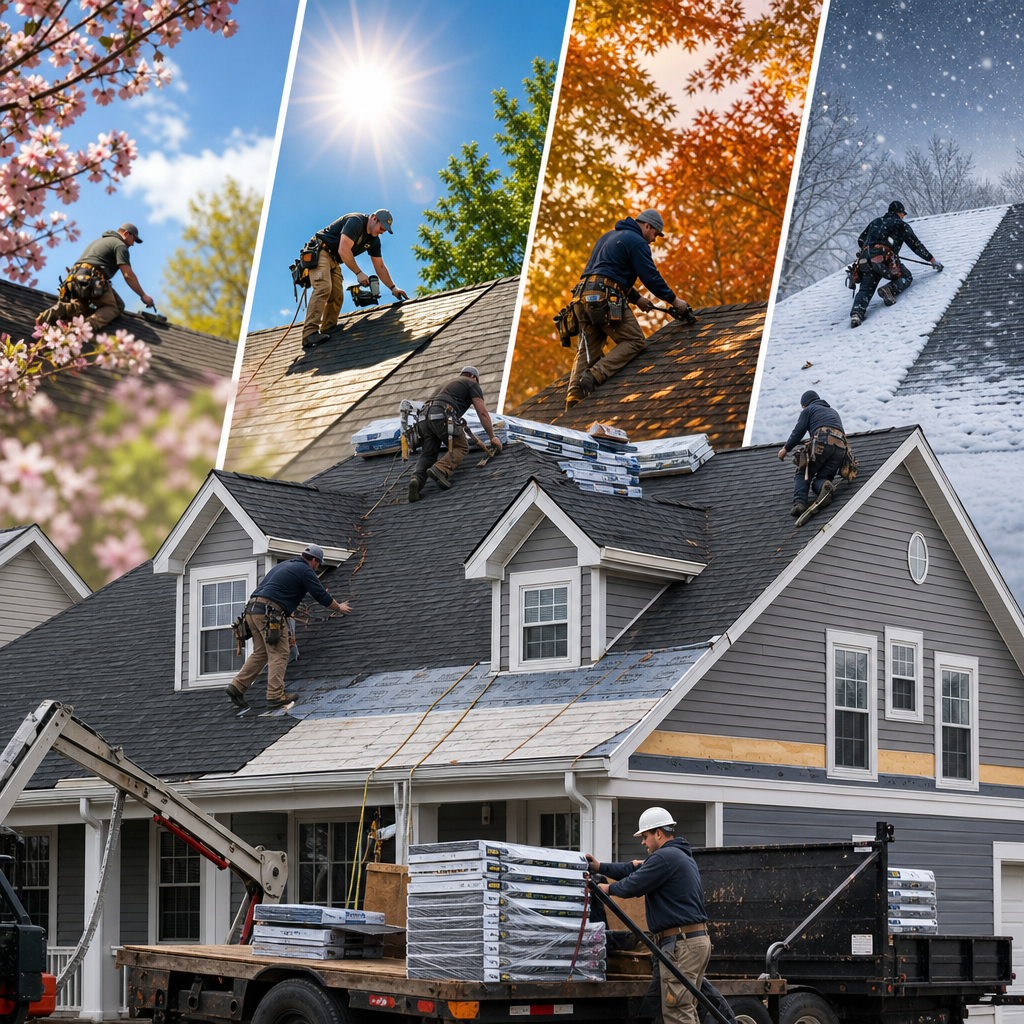
We maintain crews and scheduling year-round, which means we’re not bound by seasonal constraints like some contractors. Our experience across Wisconsin’s extreme weather swings means we understand how to work effectively in each season and adjust our methods to protect quality.
For residential roof replacement, we handle everything from material selection to final inspection. Our crews are trained in Wisconsin-specific challenges: managing ice dams, ensuring proper drainage for heavy spring snowmelt, and securing roofs against wind loads. For commercial properties, we work with EPDM, TPO, and other commercial systems designed for long-term durability.
Our year-round availability means you can schedule based on your needs rather than contractor availability. Whether you need spring scheduling, summer peak-season execution, fall optimal conditions, or winter emergency response, we coordinate timelines that work for your property. Check our exterior services overview to see our complete roofing and siding capabilities.
Preparing Your Property for Seasonal Roof Work
Regardless of season, preparing your property for roof replacement simplifies the project and protects what matters. Clear gutters and downspouts so water drains properly during work. Move parked vehicles away from the house perimeter to give crews equipment access and prevent debris damage.
Document your roof’s current condition with photos, especially if you have active leaks or damage. This record helps insurance claims and gives your contractor baseline information. For commercial properties, notify tenants or employees about the project timeline and any access restrictions.
Discuss debris removal and cleanup expectations with your contractor before work begins. Some contractors include daily cleanup; others charge separately. Clarifying this upfront prevents surprises and ensures your property stays in good condition throughout the process.
Protect vulnerable plants and outdoor equipment. Move air conditioning units, satellite dishes, or exterior electrical boxes that might be damaged during installation. These small preparation steps prevent additional costs and keep your property in top condition during the replacement.
Cost Factors Based on Roofing Season in Wisconsin
Seasonal demand directly affects roofing costs in Wisconsin. Summer peak season typically runs 5-15% higher than spring or fall pricing. Contractors have limited availability, projects take longer to schedule, and competition for skilled crews drives prices up.
Spring and fall pricing falls in the middle range. Contractors have more availability than summer but less pressure than winter, creating balanced pricing. You’re not paying premium rush fees, but you’re also not getting discount rates.
Winter is the cheapest season for roof replacement, but the lower cost reflects higher project risks. Difficult working conditions slow crews, safety measures increase costs, and quality risks warrant careful contractor selection. The savings rarely justify the additional headaches unless cost is your only consideration.
Material prices vary slightly by season. Summer demand can tighten material availability, particularly for popular shingle colors or commercial roofing membranes. Planning ahead ensures you get your preferred materials without substitutions or delays.
Budget your replacement cost based on realistic timeline expectations. A quick summer replacement might cost more per day but less overall than a winter project that stretches across months. Discuss seasonal pricing with your contractor to understand exactly how timing affects your final cost.
Signs Your Property Needs Immediate Roof Replacement
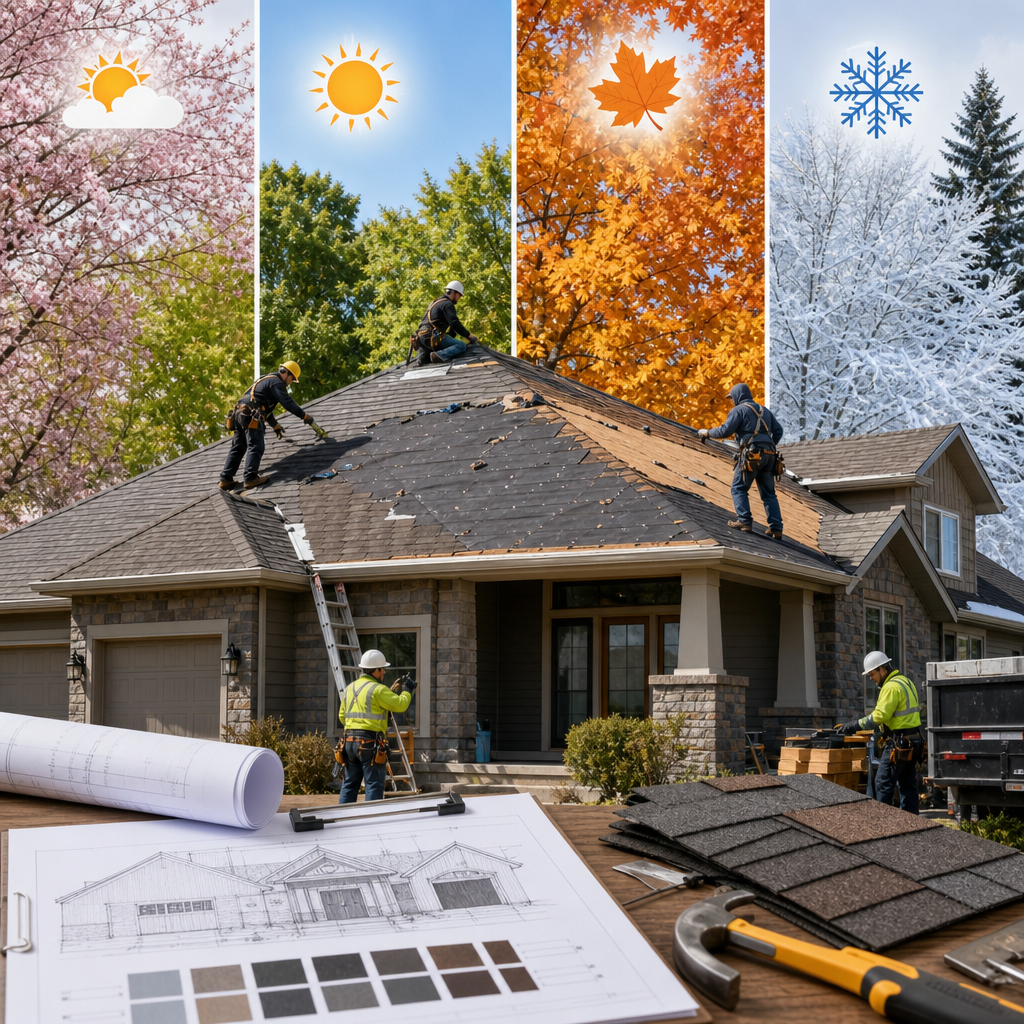
Some roofing problems demand immediate attention regardless of season. Active leaks that damage interior spaces, missing shingles exposing the roof deck, sagging sections, or visible daylight through the roof all require emergency response. These situations warrant winter replacement if necessary, because the cost of delay exceeds the cost of challenging installation conditions.
Storm damage that compromises roof integrity needs prompt attention. Heavy wind, hail, or falling branches can create failure points that worsen with each rain event or freeze-thaw cycle. Getting emergency repairs or replacement scheduled within days prevents cascading damage.
Age is also a factor. If your roof is 20-25 years old and shows signs of wear, plan replacement during the next available optimal season rather than waiting for failure. Proactive replacement before complete failure lets you choose your timing and contractor instead of facing emergency limitations.
Inspect your roof annually, ideally in spring after winter weather and in fall before winter arrives. Catching problems early gives you control over replacement timing and prevents emergency situations.
Choosing the Right Time for Your Specific Roofing Needs
Your decision depends on your specific situation, budget flexibility, and timeline needs. If your roof is healthy and you’re replacing it for updated appearance or material upgrade, schedule during fall or early spring for optimal conditions and reasonable contractor availability.
If your roof is aging and showing wear, schedule replacement in late spring or early fall to beat the heavy snow loads and temperature extremes. This timing protects your property during the most stressful weather seasons.
For commercial properties, coordinate replacement around business operations. Retail locations might schedule summer slowdowns; offices might schedule during planned closures. We work with your operational calendar to minimize disruption while maintaining installation quality.
Emergency situations remove timing flexibility. Roof failure in winter requires immediate response, cost considerations secondary to damage prevention. Contact us as soon as roof damage occurs, and we’ll mobilize crews to stop the damage while planning permanent replacement for better weather conditions.
Meet with contractors and discuss your specific situation honestly. Your needs, budget, timeline, and property type all affect the ideal replacement season. We provide detailed consultations and help you understand how seasonal timing impacts your project specifically.
Why Partner With Expert Exteriors for Your Seasonal Roofing Project
We understand Wisconsin’s seasonal challenges deeply because we’ve managed roofing projects through every condition our state offers. Our crews know how spring weather behaves, how summer heat affects materials, how fall provides optimal installation windows, and how winter demands different approach strategies.
Beyond seasonal expertise, we bring residential and commercial experience to every project. Whether you’re protecting a family home in Brookfield or maintaining a commercial building’s roof integrity, we apply professional craftsmanship and proven methods that stand up to Wisconsin weather for decades.
Our year-round availability means you’re never pressured into poor timing because contractors aren’t available when you need them. We coordinate realistic timelines, transparent pricing based on seasonal factors, and clear communication about what to expect throughout your project.
Ready to schedule your roof replacement at the right time? Contact us today to discuss your specific needs and find the ideal seasonal window for your property. Whether you need Brookfield roof installation or commercial roofing solutions, we’re here to guide your decision and deliver quality results.