
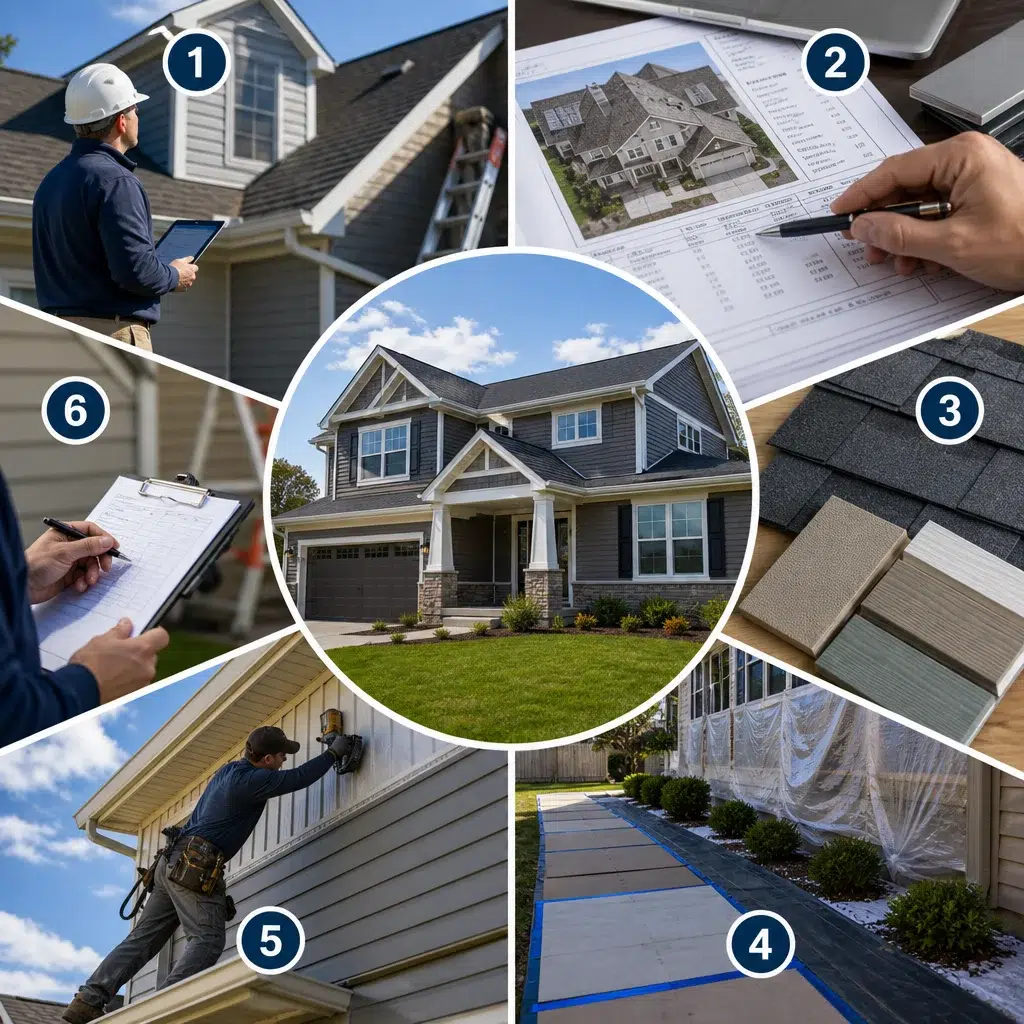
Top 7 Steps in Our Exterior Renovation Quality Process
1. Initial Inspection and Assessment
When you invest in exterior work—whether it’s a new roof, siding replacement, or complete fascia and gutter overhaul—you’re protecting one of your biggest assets. The difference between a project that lasts 30 years and one that fails in half that time often comes down to process. At Expert Exteriors, we’ve refined our approach through hundreds of successful residential and commercial projects across Brookfield and surrounding areas. Our exterior renovation process isn’t just about finishing the job; it’s about doing it right from day one.
You’ll see exactly how we ensure your investment holds up and your property looks exceptional.
Your project starts the moment one of our experienced estimators sets foot on your property. This isn’t a quick walk-around; it’s a thorough evaluation that shapes every decision that follows.
During the initial inspection, we examine the condition of your existing roof, siding, gutters, fascia, and soffit systems. We look for visible damage, moisture infiltration, flashing issues, and structural concerns that might not be obvious to an untrained eye. For roofing, we check the age and type of materials, inspect for leaks or deterioration, and assess ventilation. On siding projects, we evaluate the substrate condition, look for rot or damage to the underlying structure, and note any areas that may need additional framing or repairs.
This phase reveals what lies beneath the surface. Many property owners are surprised when we uncover hidden damage that wasn’t visible from the ground. Water damage behind siding, compromised decking under a roof, or structural issues in fascia systems all come to light during this careful assessment. We document everything with detailed notes and, when necessary, photographs.
What you get from this step is clarity and honesty about the full scope of work needed. We won’t oversell repairs you don’t need, but we also won’t ignore problems that could become costly down the road. This foundation of trust sets the tone for the entire project and ensures we’re solving real problems, not creating unnecessary work.
Takeaway: Request an on-site inspection from a contractor who takes time to examine more than just the obvious. Quick estimates often miss critical issues that emerge mid-project, leading to delays and cost overruns.
2. Detailed Estimate and Project Planning
Once we’ve completed the inspection, we prepare a detailed estimate that breaks down labor, materials, timeline, and scope. This isn’t a one-page quote; it’s a comprehensive roadmap for your project.
Our estimates include line items for demolition, material disposal, prep work, installation labor, and any unforeseen repairs we’ve identified. We specify exactly which materials we’ll use—brand, grade, and warranty information—so there’s no ambiguity about what you’re paying for. If your roof needs LP SmartSide siding or EPDM roofing, we detail that. If your gutters require fascia repair before installation, we flag it.
During the planning phase, we also coordinate your project timeline. We consider weather, material delivery schedules, crew availability, and any special requirements unique to your property. For commercial projects, we’re mindful of tenant operations and traffic flow. For residential work, we plan around occupancy and minimize disruption. Understanding exterior project timelines helps you know what to expect, especially for larger jobs like full roof replacements or comprehensive siding work.
The estimate also outlines payment terms, permits, and warranties. We explain what’s covered, what’s excluded, and how disputes are handled. This transparency prevents surprises later and gives you confidence in your investment.
Takeaway: Compare detailed estimates side-by-side, not just final prices. A contractor who can itemize work and explain choices is one who’s thought through your project carefully.
3. Material Selection and Sourcing
Choosing the right materials is where quality truly begins. We don’t take a one-size-fits-all approach; materials are selected based on your budget, climate, aesthetic preferences, and long-term durability goals.
For roofing, we offer residential asphalt shingles, architectural shingles, and commercial options like TPO and EPDM systems. Each has distinct advantages. TPO roofing is cost-effective and energy-efficient; EPDM is durable and long-lasting. We help you understand trade-offs so you can make an informed choice aligned with your property’s needs and your budget.
On siding projects, we work with premium materials like vinyl siding and LP SmartSide engineered wood, which offers durability and aesthetic appeal. Vinyl is low-maintenance and weather-resistant; LP SmartSide delivers a natural wood appearance with superior performance. We source from trusted suppliers who consistently provide quality materials with reliable delivery schedules.
We also specify fasteners, flashing, underlayment, and trim that match or exceed industry standards. These components, often overlooked by property owners, are critical to system longevity. Poor-quality flashing can lead to water intrusion years down the road. Subpar underlayment compromises roof performance. We use materials proven to work together as an integrated system.
Our sourcing relationships mean we often secure materials at better prices than you’d find retail, and we ensure products are in stock before your project starts. This prevents costly delays and keeps your timeline on track.
Takeaway: Don’t just ask for the cheapest option. Discuss warranty coverage, expected lifespan, and maintenance requirements. A slightly higher material investment often pays dividends over 20 plus years.
4. Preparation and Site Protection
Before a single nail is driven, we prepare your property to protect your home and ensure safe, efficient work.
Site preparation includes setting up work zones, protecting landscaping, establishing safe pathways, and securing work areas to prevent unauthorized access. We lay tarps and protective coverings on adjacent surfaces, move outdoor items that might be damaged, and coordinate parking for our crew and equipment.
For roofing work, we set up debris containment systems to prevent material from scattering across your yard or neighboring properties. This is especially important in dense residential areas where safety and courtesy matter. We establish clear communication channels so you know when work begins, crew schedules, and what to expect each day.
On siding jobs, we protect windows, trim, and landscaping before removing old material. We’re meticulous about not damaging the underlying structure during removal, which prevents costly repairs and keeps the project on budget. For gutter and fascia work, we ensure proper staging and fall protection systems.
Safety protocols are non-negotiable. Our crews follow OSHA standards, use proper fall protection on roofing work, and maintain clean, organized work sites. Injuries or accidents slow projects and create liability; preventing them is far smarter.
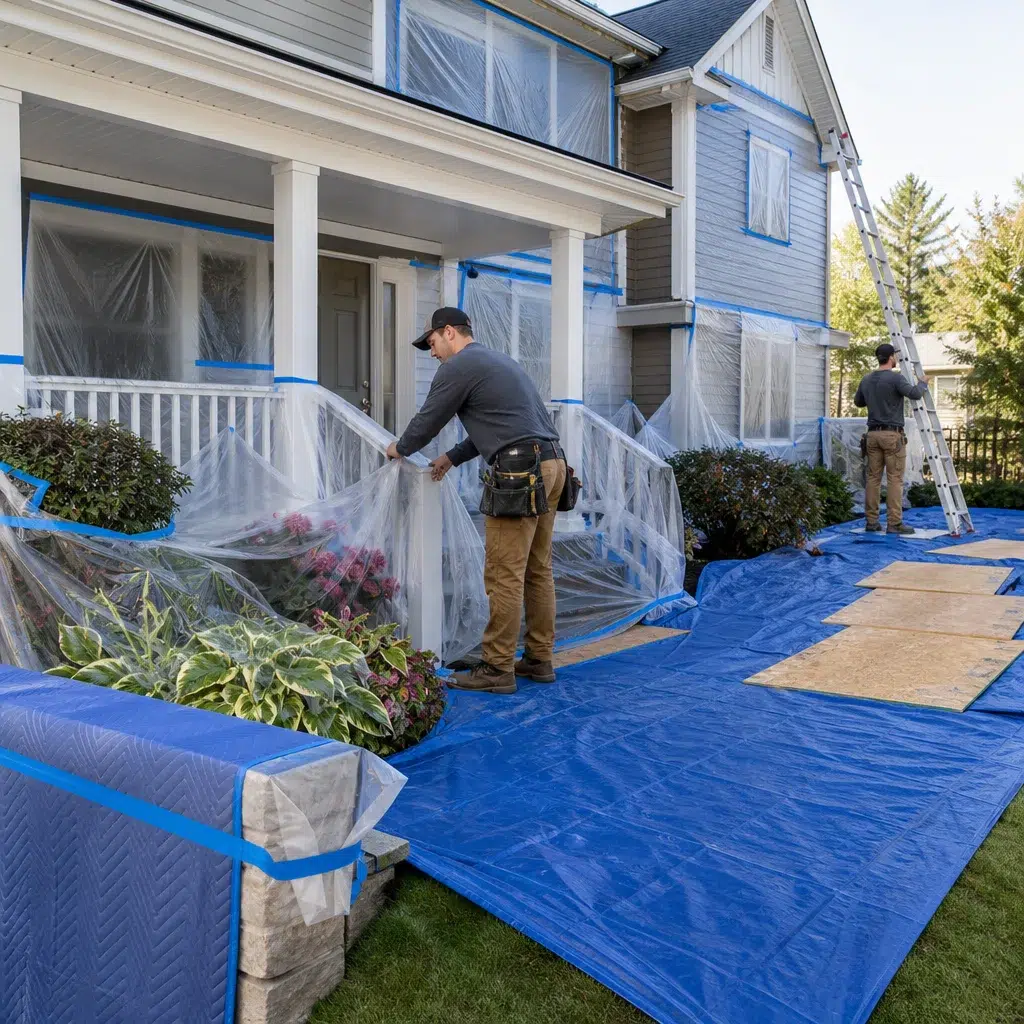
This preparation phase also sets expectations visually. Your neighbors understand work is happening, and you know exactly how your property will be managed during the project. Clear communication prevents misunderstandings and builds confidence in our professionalism.
Takeaway: Ask prospective contractors how they handle site safety and neighbor relations. A company that takes preparation seriously demonstrates respect for your property and those around it.
5. Expert Installation and Craftsmanship
Installation is where our years of experience show. Our crews aren’t day laborers or part-time workers; they’re trained specialists in roof replacement, siding installation, gutter systems, and fascia work.
For roofing, our installers understand proper deck preparation, ice and water shield application, ventilation systems, and flashing details that prevent leaks. Each shingle or membrane is installed according to manufacturer specifications and local code requirements. On commercial EPDM and TPO systems, seam work is critical; our crews use proper heat-welding techniques and inspect seams to ensure they’re watertight.
Siding installation requires precise measurements, level lines, and attention to termination details at corners, windows, and trim. Poor siding installation leaves gaps where water penetrates and insulation fails. Our teams cut and fit pieces carefully, ensuring clean transitions and proper overlap. We hand-nail where precision matters and use pneumatic tools where speed and consistency are priorities.
Gutter and fascia installation demands attention to pitch, hangers, and end caps. Gutters must drain properly to prevent pooling and overflow. Fascia must be properly attached and sealed to protect soffit and wall systems. These details seem small but determine whether your system functions for 20 plus years or develops problems within a few.
We also handle unexpected issues that emerge during installation with skill and problem-solving. Rotted decking under a roof, water-damaged framing behind siding, or structural issues in fascia systems are addressed immediately. We communicate the issue, explain the solution, and get approval before proceeding. This responsiveness prevents surprises and keeps projects moving.
Takeaway: Watch your contractor’s work or request references from previous clients. Ask about their installation methodology and how they handle common problems. The best contractors take pride in craftsmanship and can clearly explain their approach.
6. Quality Inspections Throughout the Project
Quality doesn’t happen by accident; it’s built through systematic inspection at every phase.
We conduct inspections at key milestones: after demolition and prep work, after material installation, before final finishing, and before project completion. During roofing work, we inspect deck condition after removal, check underlayment installation, verify shingle placement, and ensure all flashing is properly sealed. On siding jobs, we inspect substrate condition, check for square and plumb during installation, and verify all fasteners and caulk are applied correctly.
Our quality checklist covers installation accuracy, material condition, workmanship standards, and code compliance. We photograph installations and maintain records documenting that work meets our standards and manufacturer specifications. If issues are found, they’re corrected immediately before work proceeds.
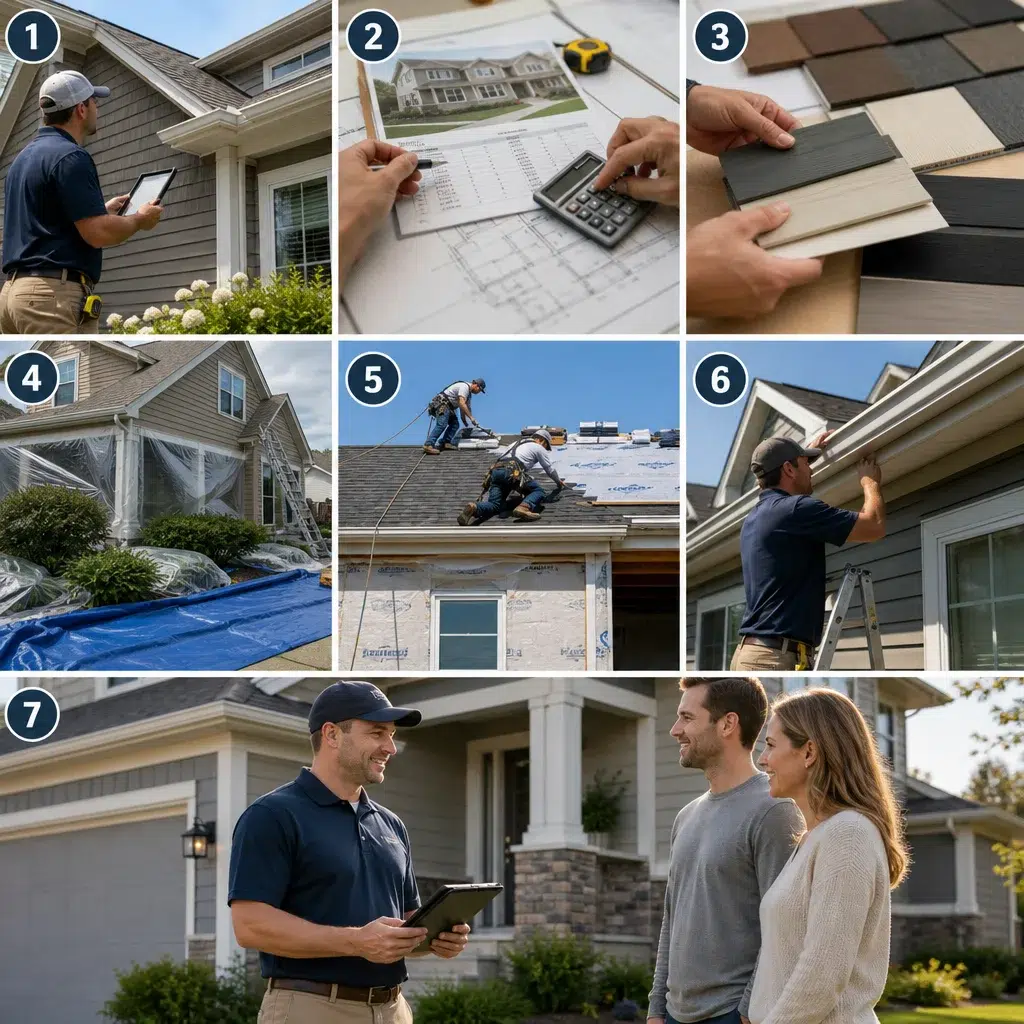
We also involve you in this process. We’re happy to walk you through the work and explain what we’re inspecting and why. Transparency builds confidence and ensures you understand what you’re paying for. Many of our best client relationships come from property owners who see firsthand the attention to detail we bring to every project.
Third-party inspections are also available if you prefer independent verification. We welcome inspectors on-site because our work passes rigorous scrutiny.
Takeaway: Don’t wait until project completion to see quality issues. Request progress photos and on-site walkthroughs during installation. Early identification of problems is far easier to remedy than discovering issues after the crew leaves.
7. Final Walkthrough and Warranty Explanation
The final walkthrough is your opportunity to confirm the work meets your expectations and understand your warranty coverage.
We conduct a comprehensive walkthrough with you, point out completed work, verify everything matches your estimate and specifications, and address any final questions. We clean the site thoroughly, removing all debris and protecting newly installed materials if weather is a concern. We also explain maintenance requirements so you can care for your investment properly.
Warranty explanation is critical. We provide written documentation of our workmanship warranty, typically one to five years depending on the project, and manufacturer warranties on materials. We explain what’s covered, what’s excluded, and how to file a claim if issues arise. Roofing, gutter, and fascia work can include substantial warranty coverage, and understanding those terms protects your investment.
We also provide maintenance tips. Cleaning gutters twice yearly, inspecting flashing after storms, and addressing small issues quickly can extend system life significantly. Regular maintenance is often the difference between a 30-year roof and one that fails at 20.
Finally, we give you contact information for service calls, questions, or warranty work. We remain your contractor after the project ends. Issues that arise months or years later are addressed professionally and efficiently.
Takeaway: Get all warranty information in writing, including what’s covered by us and what’s covered by manufacturers. Ask about maintenance recommendations and keep documentation for future reference or if you sell your property.
—
We’ve outlined our seven-step process because we believe transparency builds trust. You deserve to understand how your exterior renovation project will unfold and why our approach delivers lasting results. Our difference is straightforward: we combine meticulous planning, skilled craftsmanship, quality materials, and rigorous inspections. We’re not the cheapest option in Brookfield, but we’re the most reliable.
Property owners, residential and commercial alike, choose us because we deliver what we promise, resolve issues promptly, and stand behind our work. When you’re ready to begin your exterior renovation, reach out for a detailed inspection and estimate. Let us show you why our process creates superior results.
For further reading: Our exterior renovation process, Exterior project timelines, Evaluate roofing bids.