
Asphalt Shingle Roof Replacement Cost Guide for Wisconsin Homeowners
Why Your Roof Matters More Than You Think
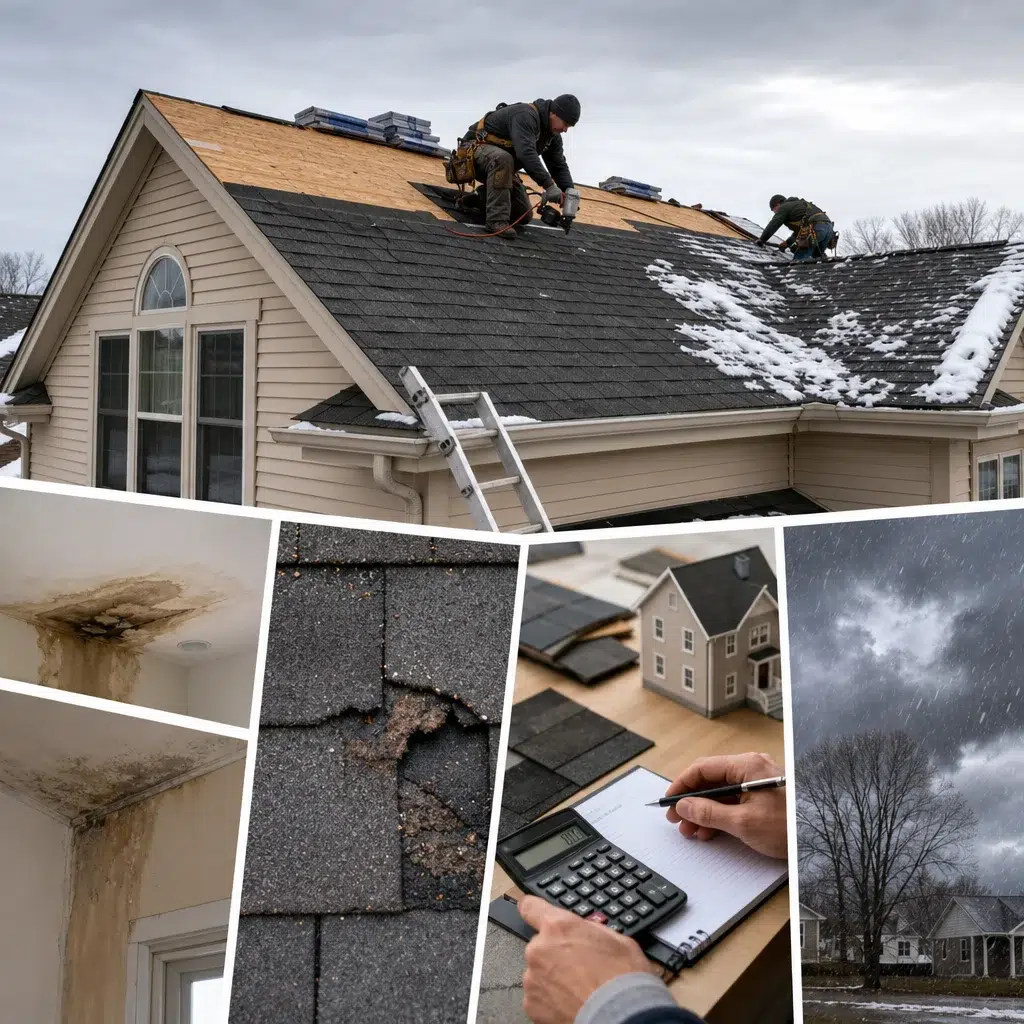
Your roof is your home’s primary defense against Wisconsin’s harsh weather. Snow, ice, wind, and rain assault your roof constantly, and when it fails, water damage spreads quickly into attics, walls, and ceilings, creating costly structural problems that extend far beyond roofing repairs.
Most property owners don’t think about their roof until something goes wrong. By then, emergency replacements cost more, and secondary damage has already begun. A well-maintained or properly replaced roof protects your entire investment, maintains your home’s value, and provides peace of mind that your family is sheltered.
At Expert Exteriors, we see firsthand how a timely roof replacement prevents thousands in water damage claims. The decision to replace asphalt shingles isn’t just about fixing a leak; it’s about protecting your home’s structure, your family’s safety, and your property’s resale value.
Signs Your Asphalt Shingles Need Replacement
Recognizing when your roof has reached the end of its life helps you plan ahead instead of facing emergencies. Asphalt shingles typically last 15 to 20 years in Wisconsin’s climate, but several warning signs indicate replacement is overdue.
Look for these red flags:
- Curled, cracked, or missing shingles on your roof surface
- Dark streaks or algae growth indicating deteriorating granule loss
- Shingles that are lifting at the edges or corners
- Visible wear in the valleys where two roof planes meet
- Water stains on your attic ceiling or interior walls
- Granules accumulating in your gutters
If your roof is over 15 years old and you notice multiple signs, replacement is likely necessary. Even one major storm can compromise aging shingles, and delaying replacement exposes your entire home to water infiltration.
Understanding What Influences Your Replacement Cost
Asphalt shingle roof replacement cost varies significantly based on multiple factors working together. Unlike simple pricing models, your final cost reflects the complexity of your specific situation, the materials you select, local labor rates, and the condition of your existing roof.
We encounter roofs where removal is straightforward and others where structural repairs become necessary during installation. These variations explain why two neighboring homes might have different replacement costs despite similar roof sizes.
Your budget should account for:
- The quality grade of asphalt shingles chosen
- Total square footage (measured in “squares” of 100 square feet each)
- Roof pitch and complexity (simple vs. complex designs)
- Existing roof condition and removal complexity
- Local Wisconsin labor rates and availability
- Permit requirements and timing considerations
Understanding each factor helps you make informed decisions rather than shopping by price alone.
Material Quality and Its Impact on Your Investment
Asphalt shingles range from basic 3-tab options to premium architectural shingles, and the price difference reflects real durability benefits. A basic 3-tab shingle costs less upfront but typically lasts 15 years, while architectural shingles often extend to 25 to 30 years with better weather resistance.
Premium shingles offer several advantages:
- Enhanced wind resistance (up to 130 mph ratings vs. 70-80 mph for basic options)
- Better granule retention, reducing UV deterioration
- Improved appearance and depth, enhancing curb appeal
- Longer warranty coverage (often 25-30 years vs. 10-15 years)
- Superior performance in Wisconsin’s freeze-thaw cycles
The cost difference might be $1.50 to $3.00 per square foot, but when spread across a 2,000+ square foot roof, premium materials add $3,000 to $6,000 to your project. Many homeowners find this investment worthwhile because the added durability reduces the likelihood of premature replacement.
We recommend evaluating your long-term plans. If you plan to stay in your home for 20+ years, premium shingles often provide better value. For shorter holding periods, mid-grade architectural shingles balance cost and performance effectively.
Labor Costs and Project Complexity in Wisconsin
Labor represents 40 to 60 percent of your total roof replacement cost, making it a critical budget component. Wisconsin’s skilled roofing labor is in high demand, particularly during spring and summer seasons, which affects pricing and scheduling availability.
Several factors influence labor costs:
- Roof pitch and complexity (steep or multi-level roofs require more time and safety equipment)
- Removal of existing roofing material (old asphalt shingles must be stripped and disposed of properly)
- Structural repairs discovered during removal (rotted decking or damaged trusses add labor hours)
- Weather conditions during installation (snow, rain, or extreme heat slow progress)
- Accessibility and safety considerations (some roofs require specialized equipment)
A straightforward single-story home with moderate roof pitch typically costs less to labor than a complex multi-level property with dormers, skylights, and steep angles. Wisconsin’s winter weather can also extend projects, increasing labor hours and costs.
We staff experienced crews that work efficiently without compromising quality. Our knowledge of local building codes and Wisconsin-specific roof requirements ensures proper installation the first time.
How Roof Size Determines Your Total Budget
Roof size is the most straightforward cost driver, measured in squares (each square equals 100 square feet). Most residential roofs range from 15 to 30 squares, though larger homes or complex designs can exceed 35 squares.
A simple calculation framework:
- A 1,500 square foot home typically has 18-22 squares of roofing
- A 2,000 square foot home typically has 22-28 squares of roofing
- A 2,500 square foot home typically has 28-35 squares of roofing
At current Wisconsin pricing (2026), you’re looking at roughly $400 to $600 per square for mid-grade asphalt shingles installed. This means a 20-square roof replacement ranges from $8,000 to $12,000, while larger 30-square roofs could reach $12,000 to $18,000.
Don’t estimate roof size by eye. Professional roofers use aerial measurements or climb the roof safely to calculate accurate square footage. Underestimating size leads to incomplete projects or unexpected cost increases mid-job.
Additional Factors That Affect Pricing
Beyond materials, labor, and size, several secondary factors shift your final quote. These details matter when comparing bids from different contractors.
Permit costs vary by municipality. Brookfield and surrounding Wisconsin communities typically require roofing permits, adding $200 to $500 to your project. Some contractors include permits in their quote; others list them separately. Clarify this upfront.
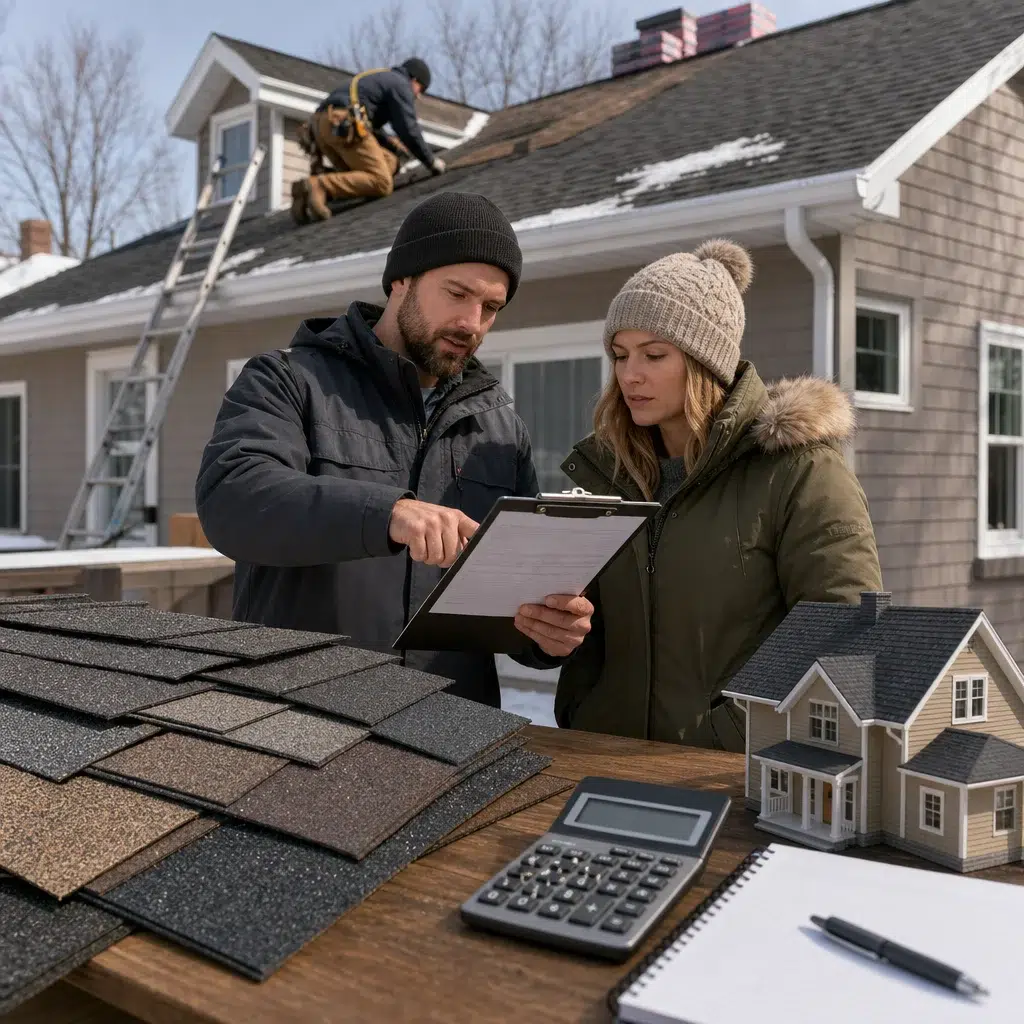
Roof pitch affects safety and installation time. Steeper roofs (8:12 pitch or higher) require specialized safety equipment and slower work, increasing labor costs by 10 to 20 percent compared to low-pitch roofs.
Roof penetrations (chimneys, vents, skylights) require flashing details that add time and materials. More penetrations mean higher costs. Flashing failures are a common source of leaks, so quality installation here is critical.
Removal and disposal of old shingles adds $300 to $500 depending on your roof size and local dumping fees. Some contractors factor this into their base price; others charge separately.
Geographic location within Wisconsin affects labor availability and material delivery. Rural areas may see slight pricing variations compared to suburban communities like Brookfield.
Our Transparent Pricing Approach at Expert Exteriors
We believe homeowners deserve clear, itemized pricing that explains exactly what they’re paying for. When you get a quote from us, you’ll see distinct line items for materials, labor, permits, debris removal, and any additional work discovered during inspection.
Our process starts with a thorough roof inspection and measurement. We document existing conditions, note any structural concerns, and provide material options with honest comparisons. This transparency helps you understand the “why” behind our pricing.
We also include all applicable warranties in writing. Manufacturer warranties cover defects in the shingle itself, while our workmanship warranty covers installation quality for 10 years. Both matter for your long-term protection.
We don’t compete on price alone. Instead, we deliver quality work using proven materials and skilled installation that actually lasts. This approach costs more upfront but prevents costly callbacks and premature failures.
When comparing quotes, watch for vague pricing or missing details. Honest contractors itemize their estimates clearly. If you’re unsure about our approach or want to evaluate roofing bids more effectively, our bid evaluation guide walks you through the process.
The True Cost of Delaying Roof Replacement
Postponing roof replacement feels like a budget win, but the hidden costs often exceed the price of immediate replacement. Water damage compounds quickly once shingles fail, and structural repairs become exponentially more expensive than a straightforward roof replacement.
A water-stained attic that you ignore for one season can develop mold, compromise insulation, and require professional remediation costing $5,000 to $15,000. Rotted roof decking discovered during removal adds another $3,000 to $8,000 to your project. By the time you address these secondary problems, your total cost has doubled or tripled.
Consider also that material costs increase over time. Asphalt shingle prices have risen 3 to 5 percent annually, so delaying two years costs more than acting today. Interest on emergency financing or insurance deductibles adds further expense.
Beyond dollars, delaying replacement affects your peace of mind. Knowing your roof is compromised creates constant anxiety, especially before storms. Replacement removes that worry entirely.
Why Choosing the Right Contractor Protects Your Investment
The contractor you hire determines whether your roof replacement protects your home for 20+ years or requires repair within five years. This decision matters far more than squeezing out a few hundred dollars on price.
The right contractor brings:
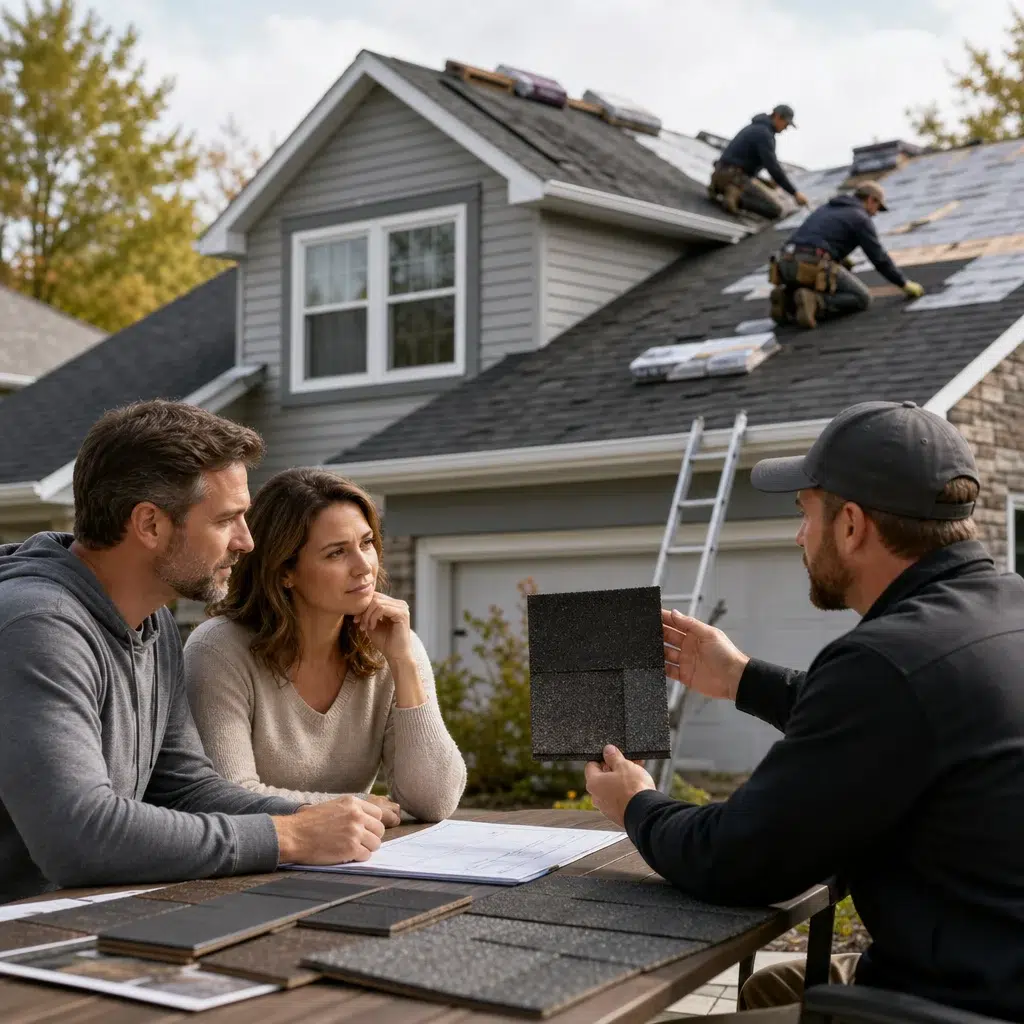
- Proper licensing, insurance, and bonding specific to Wisconsin roofing
- Verifiable experience with asphalt shingle installation in Wisconsin’s climate
- Access to quality materials at fair pricing
- Skilled crews that understand local building codes
- Clear communication and realistic timelines
- Accountability through warranties and established business reputation
Local roofing contractors understand Wisconsin weather challenges that national companies may not. We install roofs knowing they must withstand heavy snow loads, ice damming, and temperature swings that stress materials constantly. Why property owners choose local roofers often comes down to this regional expertise.
Verify contractor credentials before hiring. Check licensing through the Wisconsin DSPS (Department of Safety and Professional Services), confirm active insurance, and read recent customer reviews. The cheapest bid often means the contractor is cutting corners on labor, materials, or both.
Getting Your Accurate Roof Replacement Estimate
Obtaining accurate estimates requires providing contractors with consistent information about your specific roof. Walk them through the process systematically.
Start with basic property details: address, home age, roof age (if known), square footage, and any known damage or prior repairs. Photos of problem areas help contractors understand existing conditions before the site visit.
During the on-site inspection, a professional roofer measures your roof accurately, assesses structural condition, photographs key details, and discusses material options. This inspection typically takes 45 to 60 minutes for residential properties.
A complete estimate should include:
- Total roof square footage (in squares)
- Material specifications (shingle grade, color, manufacturer)
- Labor cost breakdown
- Permit and removal fees
- Timeline and project schedule
- Warranty details and coverage terms
- Payment schedule (deposits, draws, final payment)
Get at least three estimates before deciding. This comparison shows price ranges in your market and helps you identify unrealistic low bids or inflated quotes. If you want guidance on this process, our essential questions for roofing contractors covers important topics to discuss with each bidder.
Don’t accept estimates via phone or email alone. Reputable contractors insist on measuring your actual roof and discussing your specific needs face-to-face. This diligence protects both parties.
Protecting Your Home’s Future with Quality Installation
Installation quality determines how long your replacement roof actually protects your home. Poor installation undermines even premium materials, creating leaks and premature failures that cost thousands to repair.
Quality installation includes:
- Proper decking repair or replacement before shingles are applied
- Appropriate underlayment for Wisconsin’s climate (ice and water shield in valleys and eaves)
- Correct nail placement and spacing (4 nails per shingle, correct depth)
- Proper flashing installation around chimneys, vents, and skylights
- Appropriate ventilation maintained or improved during replacement
- Thorough cleanup and debris removal on completion
These details distinguish professional work from shortcuts. They’re also not visible once the project finishes, making contractor reputation and warranty your best assurance of quality.
At Expert Exteriors, every roof replacement follows manufacturer specifications and Wisconsin building codes. Our crews understand that your roof protects your most valuable asset, and we install accordingly.
Your investment is now protected. Schedule your free inspection and estimate today by contacting Expert Exteriors. We’ll provide transparent pricing, honest recommendations, and quality installation that stands up to Wisconsin weather for decades. Reach out to discuss your specific project and get started on protecting your home’s future.