
Best Practices for High-Longevity Residential Roof Replacement in 2026
Why Your Roof Matters More Than You Think
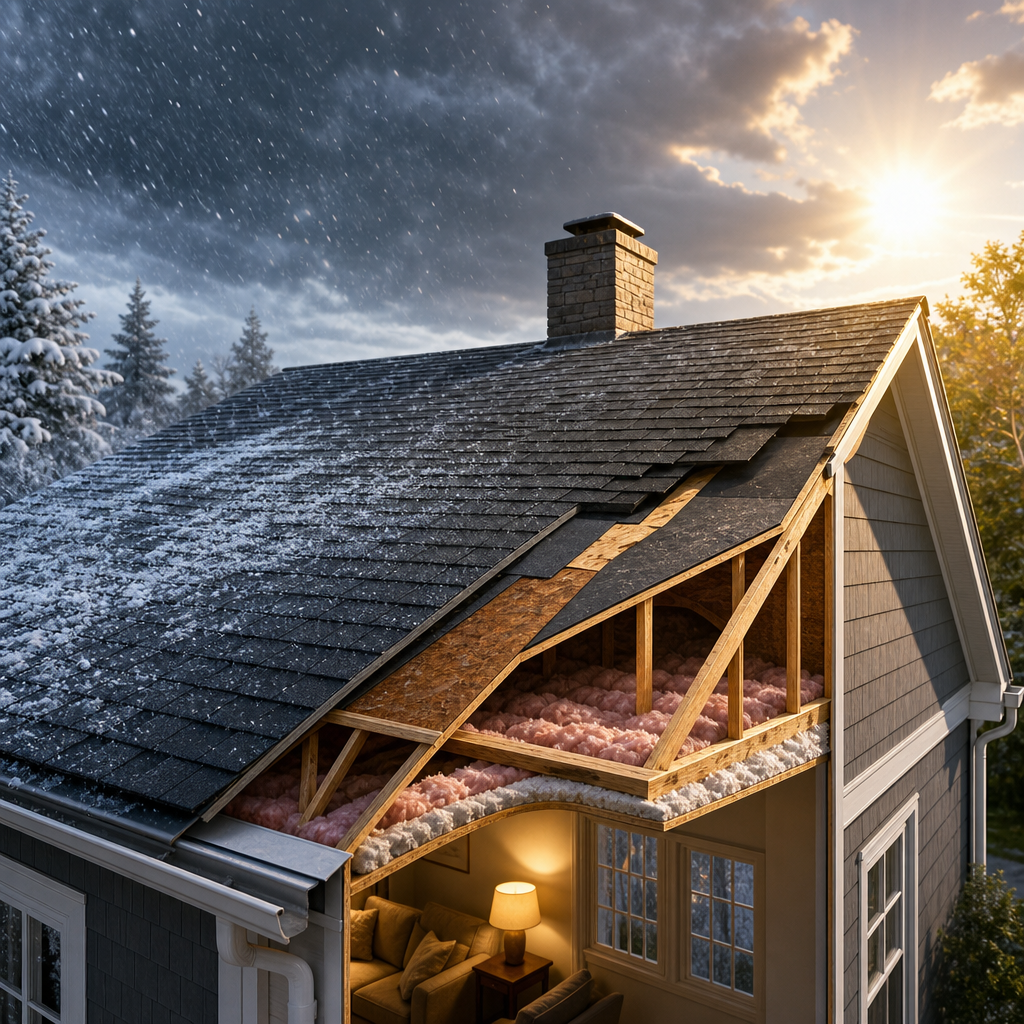
Your roof is your home’s first line of defense against Wisconsin’s harsh weather patterns. It protects everything beneath it, from insulation and structural framing to your family’s comfort and safety. When a roof fails, water intrusion doesn’t just damage shingles and decking. It spreads into walls, attics, and living spaces, creating mold, rot, and expensive structural problems that compound over time.
Beyond protection, your roof directly influences your property’s curb appeal and resale value. A well-maintained, quality roof can increase home value by 5 to 10 percent, while an aging or deteriorating roof becomes an immediate red flag for potential buyers. Insurance companies also take notice. A roof past its prime may trigger higher premiums or coverage denials entirely.
For commercial properties, the stakes climb higher. A failed roof means business interruption, potential liability from interior damage, and lost revenue. That’s why we take residential roof replacement seriously from the first inspection onward.
Action to take next: Schedule a free roof inspection to assess your current roof’s condition and expected remaining lifespan.
Common Mistakes That Shorten Roof Lifespan
We’ve seen countless roofs fail prematurely due to avoidable mistakes made during selection and installation. Understanding these pitfalls helps you protect your investment from day one.
Choosing the cheapest contractor: Cut-rate pricing often signals poor material quality or corner-cutting during installation. Missing fasteners, inadequate flashing, and sloppy sealing lead to leaks that show up years later, well after the warranty expires.
Skipping proper ventilation setup: Inadequate attic ventilation traps heat and moisture, accelerating shingle deterioration and shortening roof life by decades. Your attic needs balanced intake and exhaust ventilation to work properly year-round.
Ignoring local weather requirements: Wisconsin experiences freeze-thaw cycles, heavy snow loads, and wind gusts that demand specific installation standards. A roof built for Arizona won’t perform here.
Overlooking underlayment: Many contractors cut costs by using thin, low-grade underlayment. This layer is your second line of defense against water intrusion and ice damming.
Delaying routine maintenance: Allowing moss, debris, and gutters to clog accelerates wear and creates standing water that weakens shingles and fasteners.
We prioritize none of these shortcuts in our work. Each decision we make during your Brookfield roof installation or Menomonee Falls roof installation reflects our commitment to long-term durability.
How We Select Premium Materials for Maximum Longevity
Material selection determines how your roof weathers Wisconsin winters and summers. We specify products that balance durability, climate compatibility, and long-term performance.
For residential applications, we prioritize architectural asphalt shingles that exceed standard three-tab versions. Architectural shingles offer:
- Thicker composition that resists wind uplift and impact damage
- Enhanced color retention through premium pigments
- Deeper profiles that resist hail and extreme weather
- Longer manufacturer warranties (often 30+ years)
We also evaluate manufacturer reputation and regional performance data. A shingle rated for northern climates with decades of proven service in Wisconsin outperforms cheaper alternatives every time.
For commercial properties requiring flat or low-slope roofing, we specify durable systems like TPO (Thermoplastic Polyolefin) and EPDM (Ethylene Propylene Diene Monomer). Both offer excellent UV resistance, thermal efficiency, and flexibility in temperature extremes. TPO provides superior heat reflectivity for energy savings, while EPDM offers exceptional longevity and simple maintenance.
Each material choice connects directly to your roof’s expected lifespan and performance. During our consultation, we discuss how different materials perform under local conditions and recommend options aligned with your budget and durability goals.
Our Step-by-Step Roof Replacement Process
A quality replacement follows a structured approach that eliminates shortcuts and ensures nothing gets overlooked.
Inspection and assessment: We conduct a thorough evaluation of your existing roof, structural condition, ventilation, and drainage. We also check for moisture, rot, or damage that needs addressing before new materials go on.
Material selection and ordering: Based on findings, we help you select appropriate shingles, underlayment, flashing, and fasteners. We order everything in advance to avoid delays and ensure consistent product batches.
Removal of old roofing: We systematically remove old shingles, nails, and debris. This step reveals hidden damage and ensures a clean surface for new materials.
Repair and preparation: Any damaged decking, flashing, or trim gets repaired or replaced. We ensure proper ventilation installation before proceeding.
Underlayment installation: Premium underlayment goes down next, providing water protection and improving ice dam resistance.
Shingle or membrane installation: New roofing materials are installed following manufacturer specifications and local building codes, with attention to proper fastening, overlap, and sealing.
Flashing and trim work: We seal and finish all edges, valleys, penetrations, and transitions with quality flashing to prevent water intrusion.
Final inspection and cleanup: We inspect every detail, remove all debris, and leave your property clean and ready.
This methodical approach takes longer than rushed jobs, but it’s why our work holds up for decades.
Key Installation Techniques That Extend Roof Life
Proper technique separates roofs that last 15 years from those that last 40.
Correct fastener placement and quantity: Fasteners must be placed in the manufacturer’s specified nail zone, typically about half an inch above the seal strip. Too high or too low, and the shingle may blow off in high wind. We use the exact fastener type and quantity recommended, never substituting or economizing.
Proper overlap and alignment: Each shingle course overlaps the one below by a specific amount, typically 5 to 5 3/4 inches. This ensures water sheds downward without pooling in valleys or joints.
Seal strip activation: Modern shingles include self-sealing adhesive strips. Heat from sun exposure activates the seal after installation. We ensure proper shingle placement so these strips make full contact without premature adhesion.
Flashing installation: Roof penetrations, valleys, and edges require properly installed flashing that diverts water away from vulnerable areas. Sloppy flashing work is the leading cause of leak callbacks.
Ventilation continuity: We ensure soffit, ridge, and gable vents work as an integrated system, maintaining airflow without blockage from insulation or debris.
These techniques aren’t optional or subject to interpretation. Following them precisely extends your roof’s life by years.
Weather Considerations for Wisconsin Properties
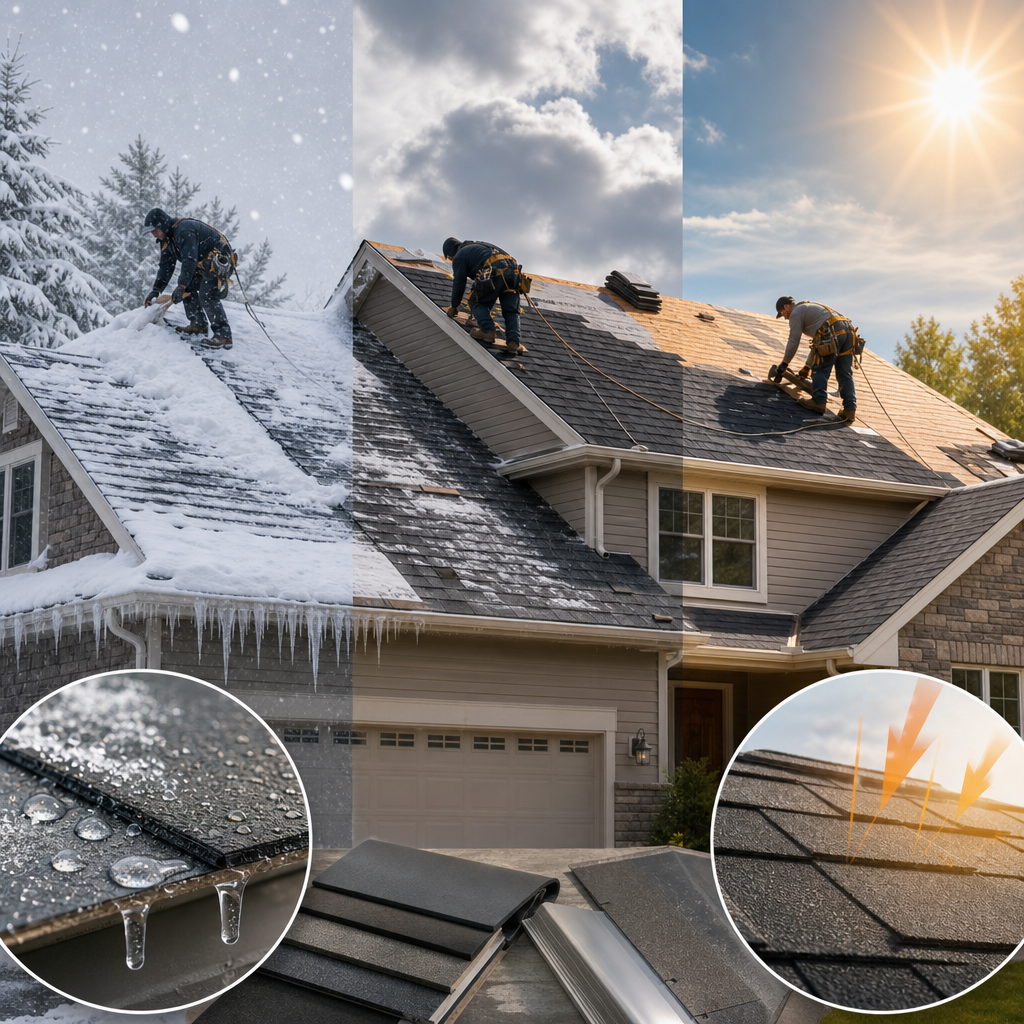
Wisconsin’s climate demands roofing that handles rapid temperature swings, heavy snow loads, and intense UV exposure. Our approach accounts for these realities.
Freeze-thaw cycles create unique challenges. Water enters tiny cracks, freezes, expands, and forces shingles apart. Over multiple seasons, this accelerates deterioration. We specify ice and water shield in critical areas like valleys and eaves to prevent this damage.
Snow load considerations matter tremendously for commercial properties. Our engineers calculate expected accumulation and ensure decking and structural framing handle Wisconsin’s typical 30+ inch seasonal totals safely.
Wind uplift resistance is non-negotiable in a state that experiences nor’easters and summer derecho winds. We select shingles rated for high wind speeds and install them to resist uplift forces that could otherwise tear them free.
UV intensity at our latitude fades low-quality shingles quickly. Premium shingles with superior colorfast pigments maintain appearance and structural integrity longer under constant sun exposure.
These aren’t theoretical considerations. They’re practical necessities for any roof expected to perform in our climate.
Maintenance Practices After Your New Roof Installation
A quality replacement provides decades of protection, but ongoing care extends that performance further.
Gutters and downspouts: Clear debris at least twice yearly, more if you have large trees nearby. Clogged gutters allow water to back up under shingles, causing rot and leaks. Ensure downspouts direct water at least 4-6 feet away from your foundation.
Attic ventilation checks: Annually inspect soffits and ridge vents to ensure they’re not blocked by insulation, debris, or bird nests. Proper airflow prevents moisture buildup that accelerates shingle deterioration.
Visible inspections: Twice yearly, scan your roof from the ground with binoculars for missing shingles, damaged flashing, or areas where moss is beginning to grow. Early action prevents small issues from becoming expensive repairs.
Trim tree branches: Trees hanging over your roof drop debris and block sunlight, trapping moisture and promoting fungal growth. Trim branches back 6-10 feet to reduce debris and improve drying.
Professional inspections: After significant storms or every 3-5 years, have a professional inspect your roof for hidden damage, fastener issues, or ventilation problems. These inspections catch issues before they become leaks.
Regular maintenance costs far less than premature replacement. We provide maintenance guidance during installation and remain available for follow-up assessments.
Why Professional Installation Beats DIY Approaches
Roofing looks straightforward from the ground, which tempts some property owners toward DIY replacement. This almost always proves costly in the end.
Professional roofing requires specific skills and equipment. Proper fastening technique, for example, demands experience and hand control that takes years to develop. Under-driven fasteners pull free in wind; over-driven fasteners puncture shingles and create leak points. Getting this right is harder than it appears.
Safety presents another critical factor. Roofing work happens at height with fall risks, potential for electrical contact near power lines, and exposure to weather while working. Professional crews have insurance, safety equipment, and training for these hazards. DIY work puts you or family members at serious risk.
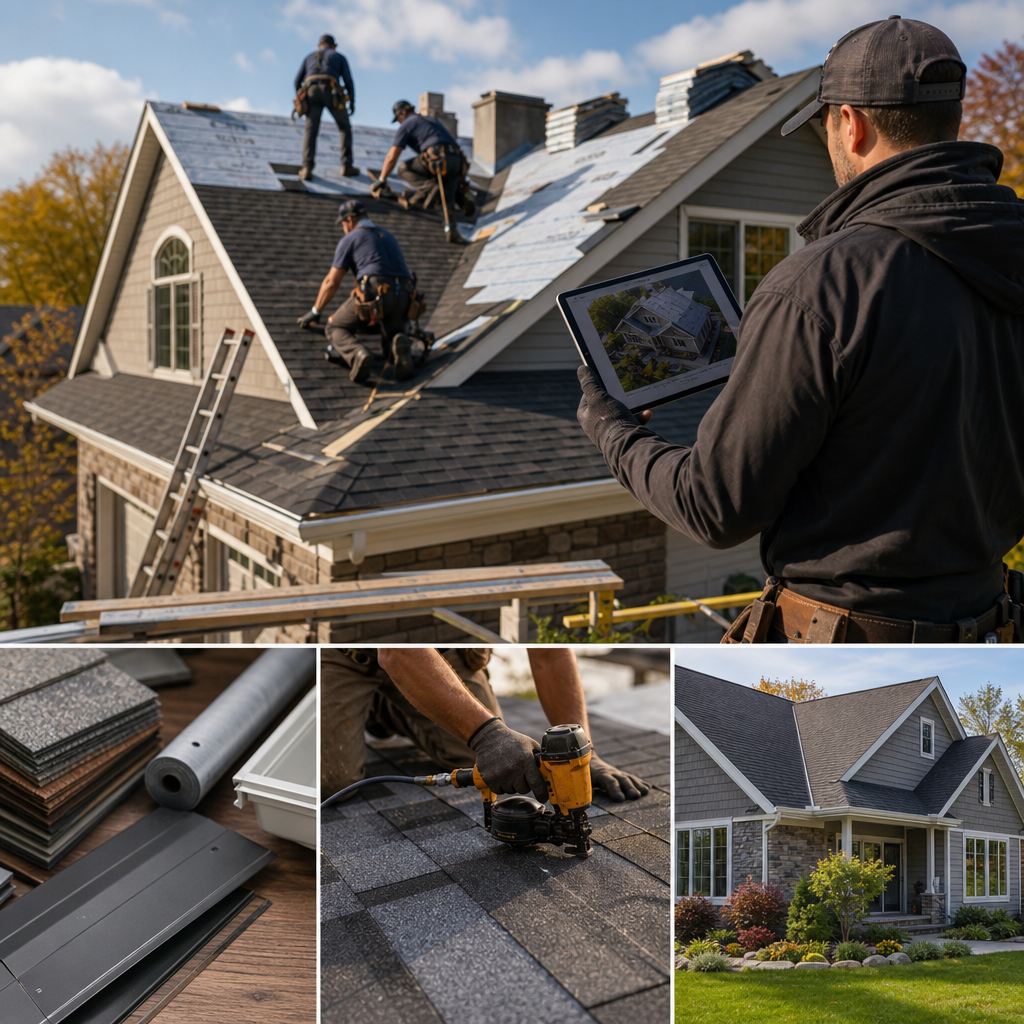
Material efficiency matters too. Professional crews minimize waste and handle materials correctly, maximizing value from every shingle and underlayment roll. DIYers often make cutting errors, create misalignments, and waste material that increases your actual project cost.
Building code compliance is essential. Jurisdictions require roofing to meet specific codes for fastener type, quantities, ventilation setup, and flashing installation. Professional contractors know these requirements intimately. DIY work often violates codes, affecting insurance coverage and future resale value.
Finally, warranties matter. Manufacturer warranties typically require professional installation to remain valid. If you install the roof yourself and problems emerge, the warranty doesn’t cover you. We provide 15-year workmanship warranties on our installations, giving you peace of mind that your investment is protected.
Protecting Your Investment with Proper Underlayment
Underlayment is your roof’s second line of defense, yet it’s often overlooked or skimped on during cost-cutting.
Premium underlayment functions as a breathable moisture barrier that protects decking from water intrusion while allowing trapped moisture to escape. Low-quality felt or tar paper becomes brittle in UV light and offers minimal protection. Better underlayment includes synthetic products that resist UV damage and maintain flexibility across temperature ranges.
In Wisconsin, ice and water shield is critical in valleys, eaves, and around penetrations. This self-adhesive membrane prevents ice damming from forcing water under shingles during freeze-thaw cycles. We apply ice and water shield wherever manufacturer guidelines recommend and in additional areas prone to damage based on local weather patterns.
Proper underlayment installation requires:
- Correct overlap (typically 6-8 inches between layers)
- Secure fastening without excessive compression
- Gaps sealed at transitions and around penetrations
- No wrinkles or bridges that trap water
These details prevent water migration into decking, insulation, and structural framing. Skipping this step saves money upfront but costs tens of thousands in mold remediation and structural repair later.
We specify and install premium underlayment on every project because we stand behind our work long-term.
How Our Expert Team Ensures Superior Craftsmanship
Our reputation for durability stems from rigorous attention to detail and commitment to proven methods.
We employ crews trained extensively in roofing techniques specific to residential and commercial applications. Our installers understand Wisconsin weather demands and how to build roofs that withstand decades of service. We invest in ongoing training to stay current with material innovations and best practices.
Quality control is built into our process. Before work begins, we review specifications with your project manager. During installation, we conduct daily inspections to verify proper technique at every stage. Before project completion, we perform a comprehensive final inspection, addressing any detail requiring attention.
We source materials from trusted manufacturers with proven Wisconsin performance records. We don’t compromise on flashing quality, underlayment grade, or fastener specifications. These choices cost more upfront but deliver superior longevity.
Our crews also respect your property throughout the project. We protect landscaping, contain debris, and maintain professional appearance from start to finish. You can expect punctuality, clean work sites, and clear communication every day.
Finally, we stand behind our installations with detailed warranties and ongoing support. If issues emerge after your project, we address them promptly. Your satisfaction and confidence matter to us.
When you choose Expert Exteriors for your residential roof replacement or residential roof installation, you’re choosing craftsmanship that lasts. We’re ready to discuss your project and deliver the quality your home deserves.
Contact us today for a free inspection and estimate.