
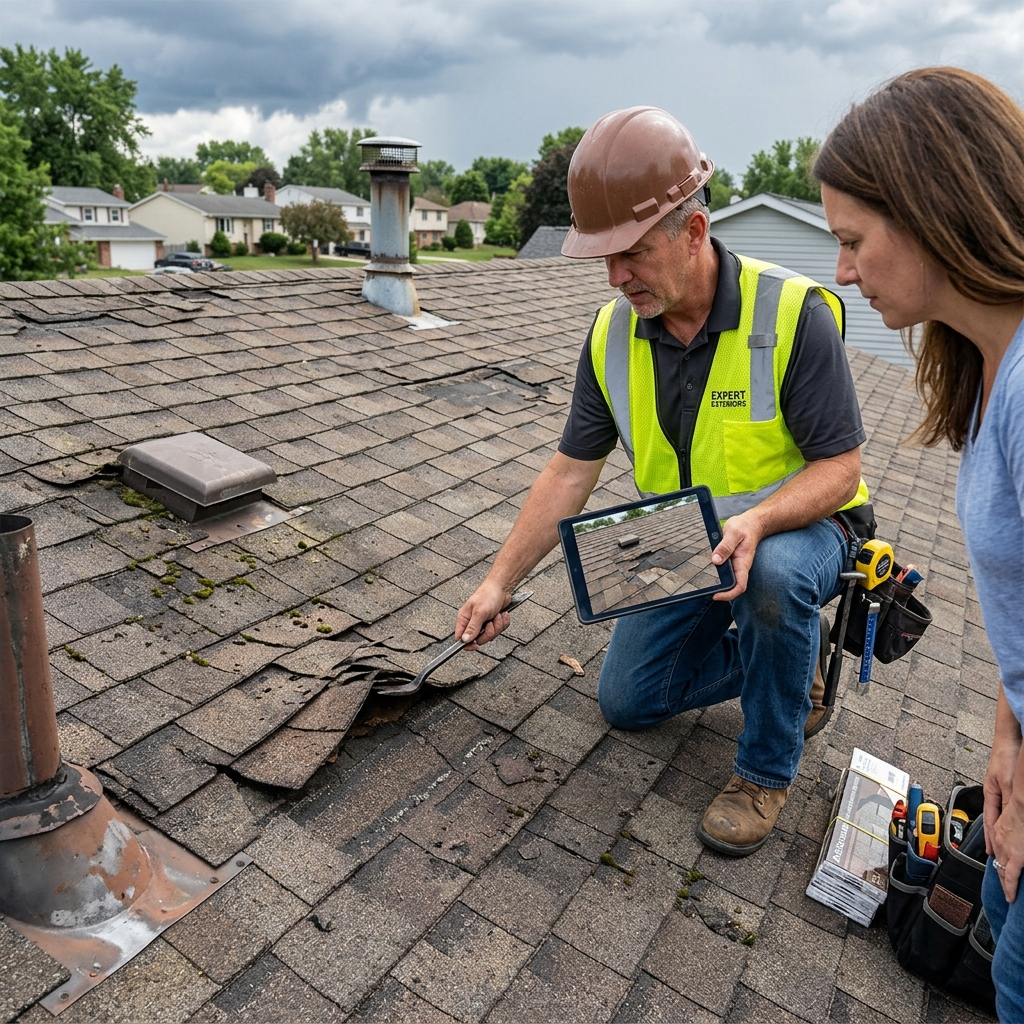
Roof Repair vs. Replacement: 5 Signs It’s Time for a New Roof
Why Roof Decisions Matter for Your Property
Your roof is one of the most critical protective systems on your property. It shields everything underneath from rain, snow, wind, and sun damage. When your roof starts to fail, the consequences ripple quickly through your home or commercial building: water seeps into walls, insulation deteriorates, and structural damage becomes inevitable.
The decision between repairing and replacing your roof isn’t just about stopping a leak today. It’s about protecting your property’s structural integrity, maintaining energy efficiency, and preserving its resale value. A failing roof can reduce your property’s market value by 10-20% and lead to costly interior damage that far exceeds the cost of roof replacement itself.
We’ve worked with hundreds of property owners in Brookfield and surrounding areas who waited too long to address roof problems. What started as a small repair often became a full replacement after water damage spread to the attic, rafters, and interior walls. Making the right call early saves you money, stress, and prevents emergency repairs down the road.
Understanding the Difference Between Repair and Replacement
Not every roof problem requires a complete replacement. Understanding when to repair versus replace is essential for making a smart investment.
Roof repair addresses isolated issues: a few missing shingles after a storm, flashing damage around a chimney, or a small leak in one area. Repairs are cost-effective when your roof is otherwise in good condition and the damage is localized. Most roofs can handle 2-3 quality repairs over their lifespan before larger systemic issues emerge.
Roof replacement becomes necessary when the damage is widespread, structural issues are present, or the roof has reached the end of its serviceable life. A full replacement involves removing the old roof down to the deck and installing new materials from the foundation up. While this costs significantly more than repairs, it provides a fresh start with manufacturer warranties and peace of mind.
The key difference comes down to scope and cost-benefit. If repairs exceed 30% of replacement costs, or if your roof shows multiple signs of failure across different areas, replacement typically makes better financial sense. A single leak might be a $500 repair. Multiple leaks, missing shingles, and age combined signal a $15,000-$25,000 replacement is the wiser investment.
Sign 1: Your Roof Has Reached Its Expected Lifespan
Most residential roofing materials have predictable lifespans. Asphalt shingles typically last 15-20 years under normal conditions. Architectural shingles extend to 20-25 years. Metal roofing can exceed 40-50 years. If you don’t know your roof’s age, check your home’s records, previous inspection reports, or ask your neighbors when their roofs were installed.
Once a roof hits 15-18 years old, even if it hasn’t shown obvious problems yet, the materials are beginning to degrade at the molecular level. Shingles become brittle, granules wash away with rain, and the protective adhesives that seal shingles together weaken. A roof at this age is one severe storm away from catastrophic failure.
We recommend scheduling a professional inspection once your roof reaches the 12-year mark. This gives you time to plan and budget for replacement rather than facing an emergency. Many property owners are surprised to learn that age alone is a legitimate reason to replace a roof, even if it’s not actively leaking. The cost of proactive replacement is far lower than dealing with water damage and emergency repairs.
Action item: Pull your property records or contact us for a residential roof replacement inspection if your roof is older than 12 years. We can assess whether your roof is nearing the end of its useful life.
Sign 2: Multiple Leaks and Water Damage Present
One leak in a localized area might be a repair. Multiple leaks scattered across your roof or interior suggest systemic failure. If you’re finding water stains on your ceiling in different rooms, or if your attic shows moisture damage in multiple spots, your roof has likely deteriorated beyond the point where spot repairs will help.
Water damage compounds quickly. A leak might start as a small drip that you patch. Within a few months, that patch fails, water seeps into insulation, promotes mold growth, and begins rotting roof decking and framing. By the time you notice extensive water stains, the hidden damage underneath is often severe and expensive to remediate.
Watch for signs of active or past water intrusion: dark stains on ceiling drywall, soft spots in attic insulation, visible mold, or that distinctive musty smell in upper floors. If you’ve had more than two leaks in the past two years, especially if they’re in different locations, replacement is almost certainly the right choice. The cost of investigating and repairing multiple leak sources often equals or exceeds the cost of full replacement.
Action item: After any significant rain, check your attic for fresh water stains or moisture. Document the locations and size of any stains you find. This information helps us assess whether you’re looking at isolated repairs or systemic failure.
Sign 3: Missing, Curling, or Damaged Shingles Throughout
Take a walk around your property and look at your roof from ground level with binoculars. You’re looking for missing shingles, shingles with curled or lifted edges, bald spots where granules have worn away, or visible buckling. A few missing shingles in one area might warrant a repair. Missing shingles across multiple roof sections signal widespread deterioration.
Curling shingles indicate that the materials have absorbed moisture and are beginning to fail. This typically happens as the roof ages and the sealant that holds shingles flat deteriorates. Once shingles start curling, they lose their ability to shed water effectively. Wind easily catches curled shingles and tears them off, leaving your roof deck exposed.
Granules (the gritty texture on shingles) protect asphalt from UV damage. When you see excessive granule loss, your shingles are reaching the end of their protective ability. Check your gutters after a heavy rain. If they’re full of dark, sand-like granules, your shingles are shedding rapidly, indicating failure is imminent.
Action item: Schedule a professional roof inspection to document the extent of shingle damage. Taking photos from multiple angles helps us provide an accurate assessment of whether repairs can address isolated issues or if full replacement is needed.
Sign 4: Sagging Roof Structure or Visible Structural Issues
A sagging roofline is one of the most serious warning signs. If your roof has a visible sag or dip when viewed from the side of your house, structural damage has likely occurred. This could indicate rotted roof decking, failed rafters, or water damage that has compromised the structural integrity of your home.
Structural issues don’t repair themselves, and they worsen quickly. Continued water intrusion accelerates wood rot. Over time, the supporting structure weakens further, and the sagging becomes more pronounced. In severe cases, the roof can collapse under the weight of heavy snow or ice.
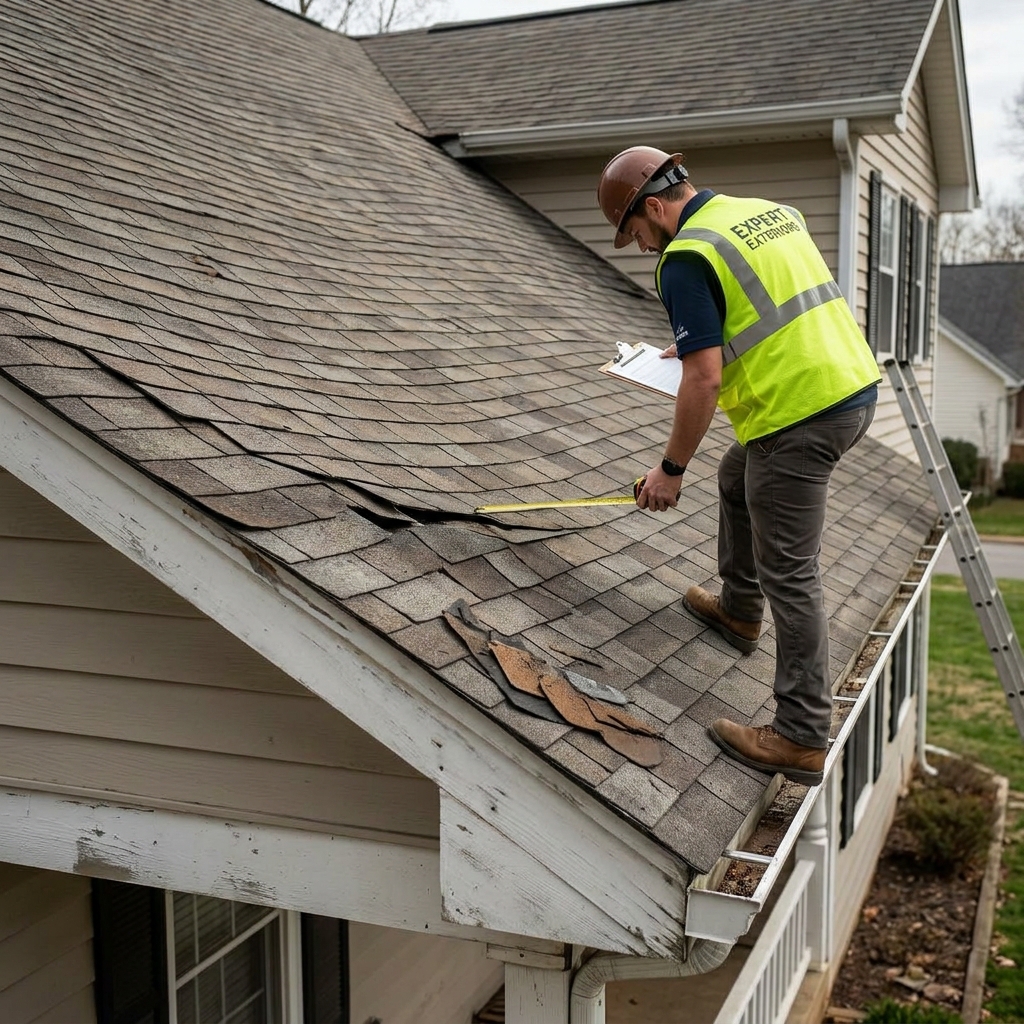
If you notice structural concerns, stop delaying and call for a professional evaluation immediately. This is not a situation where a repair buys you time. Sagging roofs require structural assessment and typically full replacement along with potential structural repairs underneath. Ignoring this sign puts your property and anyone inside it at serious risk.
Action item: If you suspect any structural issues with your roof, contact us today for an immediate assessment. We can determine whether the issue is cosmetic or structural and provide honest guidance on next steps.
Sign 5: Rising Energy Bills and Inadequate Insulation
Your roof plays a major role in your home’s thermal performance. A failing roof allows warm air to escape in winter and hot air to penetrate in summer. If you’ve noticed your heating or cooling bills climbing despite no major changes in how you use your property, your roof might be contributing to the problem.
Older roofs lose their reflectivity and insulating value. Asphalt shingles that were once light-colored darken over time, absorbing more heat instead of reflecting it. Additionally, water infiltration compromises attic insulation, reducing its R-value (insulating effectiveness). Damp insulation is ineffective insulation.
New roofing materials offer better energy performance than older alternatives. Modern architectural shingles reflect more heat. Metal roofing excels at shedding heat. Proper installation ensures your attic insulation stays dry and maintains its insulating properties. For many property owners, the energy savings from a new roof help offset replacement costs within 5-10 years.
Action item: Review your energy bills from the past two years. If you’re seeing consistent increases that don’t match utility rate hikes, have us evaluate your roof’s contribution to the problem. Modern roof replacement services often improve your property’s efficiency significantly.
How We Evaluate Your Roof’s True Condition
We don’t recommend replacement on every inspection. Our goal is to give you accurate information so you can make the right decision for your property.
Our evaluation process includes a ground-level visual inspection, close-up examination of shingles and flashing, attic inspection to check for water damage and proper ventilation, and assessment of the roof deck’s structural integrity. We document the roof’s age, material type, and any previous repairs. We photograph problem areas and provide a clear written assessment.
Beyond surface observations, we look at the bigger picture. Is this roof protecting your property adequately, or is failure imminent? How much value does repair provide versus replacement? What’s the timeline for failure if you choose to delay? Are there hidden structural issues that repair wouldn’t address?
This comprehensive approach means our recommendations are based on thorough analysis, not sales pressure. We’ve turned down replacement jobs when we believed repairs were the right choice, and we recommend replacement when we see it’s necessary. Our reputation depends on earning trust through honesty.
The Expert Exteriors Roof Replacement Process
When replacement is the right choice, we handle the project professionally from start to finish.
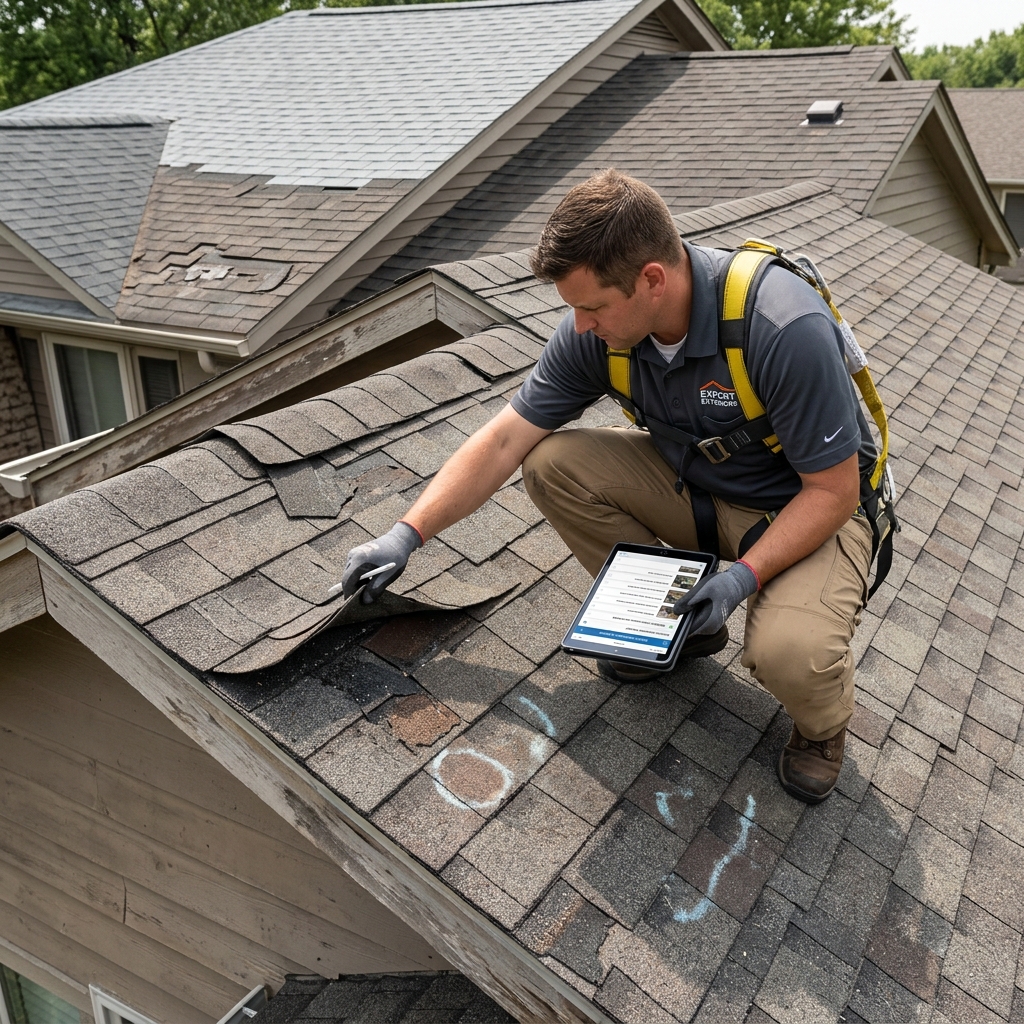
Initial planning and permits: We schedule the project at a convenient time, pull any necessary permits, and coordinate with your property. We discuss material options, warranties, and project timing with you upfront.
Roof removal and deck inspection: We carefully remove old roofing materials and inspect the roof deck. If water damage or rot is discovered, we address it before installing new roofing. This is critical for ensuring your new roof is built on a solid foundation.
Installation: Our crews install roofing according to manufacturer specifications and local building codes. We use quality materials and proven installation techniques. Proper installation is as important as material quality for roof longevity.
Cleanup and final inspection: We remove all debris, inspect the finished work, and walk you through the project completion. You receive documentation of warranties and maintenance recommendations.
We back our work with 15-year workmanship warranties on residential roof replacement and other exterior projects. For commercial roofing options, we offer EPDM and TPO solutions designed for commercial property needs.
Investment in Your Property’s Future Protection
Roof replacement is one of the biggest investments you’ll make for your property. The cost varies based on roof size, pitch, material choice, and any structural repairs needed. Budget typically ranges from $15,000 to $25,000 for residential properties in our area, though complex roofs or extensive underlying damage can exceed this range.
While this represents significant expense, consider the alternatives. Water damage repairs can exceed $10,000-$50,000 once you factor in mold remediation, structural repairs, interior restoration, and increased heating/cooling costs from compromised insulation. A new roof prevents these problems entirely.
Additionally, a quality roof replacement increases your property’s resale value, improves energy efficiency, and provides peace of mind. You’re not just fixing a problem; you’re investing in protection for everything beneath that roof. Most property owners find this peace of mind invaluable.
We offer an instant roof quote tool that provides budget estimates based on your roof size and material preferences. This gives you a starting point for planning.
Getting Your Roof Assessment Started Today
The best time to evaluate your roof is before a major failure forces an emergency decision. If you’ve noticed any of the five signs we’ve discussed, or if your roof is approaching the end of its expected lifespan, reach out for a professional assessment.
Get a roof assessment from our team today. We’ll evaluate your roof’s condition, explain our findings clearly, and give you honest guidance on repair versus replacement. No pressure, no sales tactics, just professional expertise to help you protect your property.
For property owners throughout Brookfield and surrounding areas seeking Wisconsin roof replacement or commercial roofing solutions, we’re here to help. Contact Expert Exteriors today to schedule your inspection and take the first step toward protecting your property’s future.